Fitness Management
Business
Earn your degree
Education
Strength & Conditioning Careers: Paths, Skills, and Success Stories

Matthew Habecker, CMCO
Strength & Conditioning Careers: Paths, Skills, and Success Stories
21:23
Introduction
Strength and conditioning is one of the most exciting areas of exercise science.
It combines coaching, performance, movement, training science, injury prevention, and athlete development.
Strength and conditioning professionals, often called S&C coaches, help people become stronger, faster, more powerful, and more resilient.
Many work with athletes. Others support tactical professionals, fitness clients, youth sports programs, older adults, or people returning to training after injury.
This field is ideal for people who enjoy science, coaching, sport, and human performance.
In this article, you will learn what strength and conditioning is, where S&C professionals work, which certifications matter, what skills you need, and how to prepare for a career in this growing field.
Quick Answer
Strength and conditioning is a performance-focused field that uses exercise science to improve strength, speed, power, mobility, endurance, and injury resilience.
Strength and conditioning professionals may work in schools, colleges, professional sports, private training facilities, fitness centers, tactical settings, rehabilitation support environments, and wellness programs.
Common career preparation includes a degree in exercise science, kinesiology, or human performance, along with certifications such as the Certified Strength and Conditioning Specialist, often called the CSCS.
Success in this field requires coaching ability, program design, assessment skills, communication, leadership, and ongoing education.
Table of Contents
- Why This Matters
- What Is Strength and Conditioning?
- Why Strength and Conditioning Careers Are Growing
- Common Strength and Conditioning Job Settings
- The Science Behind Strength and Conditioning
- Essential Skills for Strength and Conditioning Professionals
- Strength and Conditioning Certifications
- Degree Paths for Strength and Conditioning Careers
- How to Gain Hands-On Experience
- Career Paths in Strength and Conditioning
- Networking and Professional Growth
- Common Mistakes and Misconceptions
- Frequently Asked Questions
- Key Takeaways
- How Lionel University Prepares Students
- Top 3 Related Articles to Read Next
- Where to Go Next
- Conclusion
Why This Matters
Strength and conditioning is more than lifting weights.
A strong S&C professional understands how to build performance safely.
They know how to assess movement, design training programs, manage workload, improve power, support recovery, and communicate with athletes or clients.
This matters because performance training carries responsibility.
A poorly designed program can increase injury risk, create overtraining, or fail to match the athlete’s needs.
A well-designed program can help athletes move better, perform better, and stay healthier over time.
For students and future fitness professionals, strength and conditioning can lead to many career paths, including sports performance, tactical training, private coaching, wellness, fitness leadership, and human performance.
What Is Strength and Conditioning?
Strength and conditioning is the practice of using structured training to improve physical performance.
It often includes:
- Strength training
- Speed training
- Power development
- Conditioning
- Mobility
- Agility
- Movement quality
- Injury risk reduction
- Recovery planning
- Sport-specific preparation
Strength and conditioning professionals help athletes and clients develop the physical qualities needed for performance.
For example, a basketball player may need jumping power, speed, change-of-direction ability, and shoulder resilience.
A tactical athlete may need strength, endurance, load carriage ability, and recovery strategies.
An older adult may need strength, balance, and mobility to support independence.
The principles are similar, but the program changes based on the person and the goal.
Why Strength and Conditioning Careers Are Growing
Strength and conditioning has expanded beyond professional sports.
Today, S&C knowledge is used in many settings.
Athletes, parents, coaches, schools, fitness facilities, tactical organizations, and wellness programs are all paying more attention to performance and injury prevention.
This creates opportunities for professionals who understand exercise science and coaching.
Strength and conditioning is growing because people want:
- Better athletic performance
- Safer youth sports training
- Improved injury prevention
- Better return-to-training programs
- More personalized coaching
- Stronger tactical readiness
- Better strength and mobility across the lifespan
- Evidence-based training instead of random workouts
This field rewards professionals who can combine science with practical coaching.
Common Strength and Conditioning Job Settings
Strength and conditioning professionals can work in many environments.
High School Athletics
High school strength coaches may work with multiple sports.
They help young athletes learn proper movement, build strength, and improve physical preparation.
Collegiate Athletics
College strength and conditioning roles may involve working with teams, managing training schedules, testing athletes, and collaborating with sport coaches and athletic trainers.
Professional Sports
Professional sports roles are highly competitive.
These coaches may work with elite athletes and coordinate with medical, nutrition, and performance staff.
Private Performance Facilities
Private facilities often train athletes, adults, and youth clients.
These roles may involve coaching small groups, running speed camps, or designing individualized performance programs.
Fitness Centers and Health Clubs
Some S&C professionals work in gyms or clubs, helping clients build strength, improve performance, and train more effectively.
Tactical Settings
Tactical strength and conditioning supports military, law enforcement, fire, and emergency response professionals.
The goal is job readiness, injury resilience, and physical capacity.
Rehabilitation Support and Return to Training
Strength coaches may work with clients after physical therapy, with proper clearance, to help them rebuild strength and confidence.
They should stay within scope and collaborate with healthcare providers when needed.
Wellness Programs
Strength and conditioning principles can also support workplace wellness, community health, and active aging programs.
The Science Behind Strength and Conditioning
Strength and conditioning is built on exercise science.
A strong coach understands how the body responds to training.
Anatomy
Anatomy helps coaches understand muscles, joints, and movement.
A coach should know which muscles are involved in major movement patterns such as squats, hinges, pushes, pulls, jumps, and carries.
Biomechanics
Biomechanics studies movement and force.
This helps coaches improve technique and reduce unnecessary stress on joints.
For example, a coach may analyze a jump landing to help an athlete improve knee and hip control.
Exercise Physiology
Exercise physiology explains how the body responds to training.
It helps coaches understand strength adaptation, energy systems, fatigue, recovery, and conditioning.
Periodization
Periodization is the planned organization of training over time.
S&C coaches use periodization to help athletes peak for competition, manage fatigue, and progress safely.
Motor Learning
Motor learning explains how people learn movement skills.
This helps coaches teach technique, cue exercises, and build better movement habits.
Recovery Science
Recovery is part of training.
S&C professionals must understand sleep, nutrition basics, fatigue, training load, and stress.
A program is only effective if the athlete can adapt to it.
Essential Skills for Strength and Conditioning Professionals
S&C professionals need more than technical knowledge.
They also need coaching, communication, and leadership skills.
Program Design
Program design is one of the most important skills.
Coaches need to build plans that match the athlete’s sport, season, goals, training age, and physical needs.
A strong program includes:
- Warm-ups
- Strength work
- Power work
- Conditioning
- Mobility
- Recovery
- Testing
- Progressions
Assessment
Assessment helps coaches understand where the athlete is starting.
Assessments may include:
- Movement screens
- Strength testing
- Power testing
- Sprint testing
- Jump testing
- Mobility checks
- Conditioning tests
- Injury history review
- Training history review
Coaching Communication
A great program is only useful if the athlete understands it.
Coaches need to explain exercises clearly, give simple cues, and adjust their coaching style based on the athlete.
Motivation
Athletes need motivation, but not every athlete responds to the same style.
Some need energy and encouragement. Others need calm instruction and confidence.
Strong coaches learn how to connect with different personalities.
Data Interpretation
S&C coaches often use data to guide decisions.
This may include jump scores, sprint times, training loads, heart rate, readiness scores, or strength numbers.
Data should support coaching, not replace it.
Adaptability
Training plans often change.
Athletes get sore, schedules shift, competitions change, injuries happen, and equipment may be limited.
A strong coach adjusts without losing sight of the goal.
Professionalism
S&C professionals must be reliable, ethical, prepared, and organized.
They should also know when to refer athletes to medical professionals.
Strength and Conditioning Certifications
Certifications help show professional preparation.
The right certification depends on your career goals.
Certified Strength and Conditioning Specialist
The Certified Strength and Conditioning Specialist, often called the CSCS, is one of the most recognized credentials in the field.
It is commonly associated with strength and conditioning roles in collegiate, professional, and performance settings.
The CSCS is designed for professionals who apply scientific knowledge to train athletes for performance.
NSCA-CPT
The NSCA Certified Personal Trainer credential may be useful for professionals who want to work with general fitness clients while applying strength and conditioning principles.
Other Specialty Certifications
Depending on your career goals, you may also explore certifications in:
- Youth fitness
- Speed and agility
- Tactical strength and conditioning
- Corrective exercise
- Nutrition coaching within scope
- Senior fitness
- Olympic weightlifting
- Sports performance
Choosing the Right Certification
Before choosing a certification, ask:
- What setting do I want to work in?
- Do I want to train athletes or general fitness clients?
- Do I meet the eligibility requirements?
- Is the certification recognized by employers?
- Does it match my long-term career goals?
A certification can help open doors, but practical coaching skill is also essential.
Degree Paths for Strength and Conditioning Careers
Many strength and conditioning careers are supported by a degree in a related field.
Common degree areas include:
- Exercise science
- Kinesiology
- Human performance
- Sports science
- Exercise physiology
- Strength and conditioning
- Health and fitness management
Associate Degree
An associate degree can provide a foundation in exercise science and fitness careers.
It may be helpful for entry-level roles or as a step toward a bachelor’s degree.
Bachelor’s Degree
A bachelor’s degree is often important for strength and conditioning roles, especially those connected to schools, colleges, teams, and advanced certifications.
It can provide deeper study in anatomy, physiology, biomechanics, program design, and performance.
Master’s Degree
A master’s degree can support advancement into leadership, teaching, research, sports performance, or specialized roles.
It may also help professionals stand out in competitive environments.
Why Exercise Science Matters
An exercise science background helps coaches make evidence-based decisions.
Instead of copying trends, coaches learn how to build programs based on science, goals, and individual needs.
How to Gain Hands-On Experience
Strength and conditioning is a practical field.
You need experience coaching real people.
Internships
Internships are one of the best ways to gain experience.
They may be available in:
- College athletic departments
- Private performance facilities
- High school programs
- Fitness centers
- Tactical training programs
- Wellness centers
Volunteer Coaching
Volunteering can help you build coaching hours and learn from experienced professionals.
This may include helping with youth sports, school teams, or community programs.
Shadowing
Shadowing allows you to observe experienced coaches.
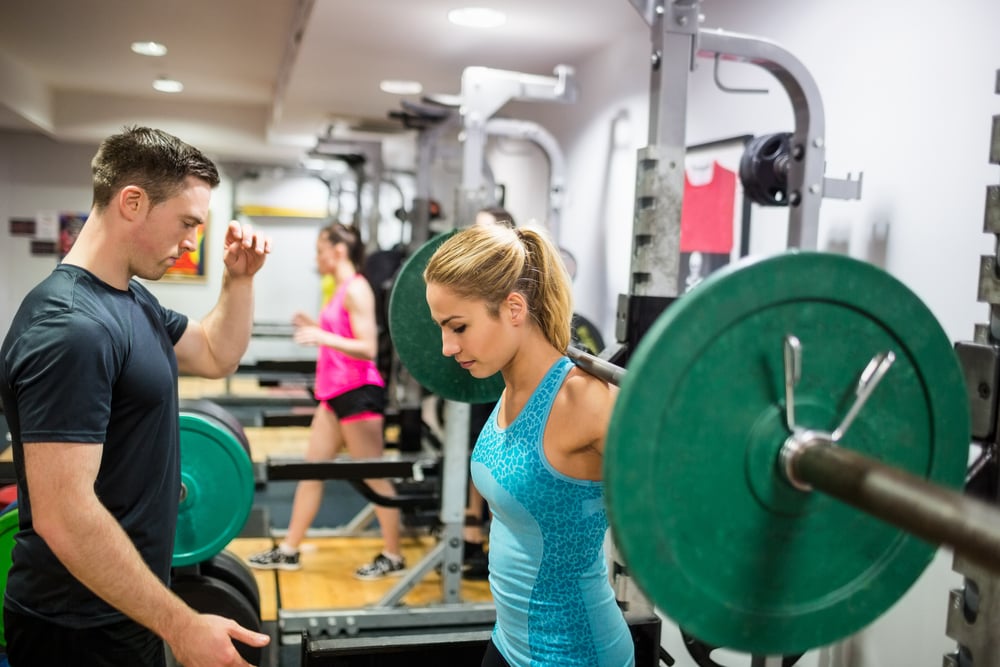
Pay attention to how they communicate, organize sessions, correct technique, and manage groups.
Practice Coaching
Practice coaching is essential.
You need to learn how to cue, motivate, explain, and correct movement in real time.
Build a Portfolio
Track your experience.
Include:
- Internship hours
- Programs you helped design
- Teams or clients you supported
- Testing methods used
- Coaching responsibilities
- Continuing education
- Certifications
- Results or outcomes, when appropriate
A portfolio can help during job interviews.
Career Paths in Strength and Conditioning
Strength and conditioning can lead to many roles.
Strength and Conditioning Coach
This role focuses on improving athlete performance through structured training.
Sports Performance Coach
Sports performance coaches may work in private facilities, clubs, or athletic development programs.
Tactical Strength and Conditioning Coach
These professionals support military, law enforcement, fire, and emergency response populations.
Youth Athletic Development Coach
Youth coaches help young athletes build movement skills, strength, coordination, and confidence.
Collegiate Strength Coach
College strength coaches work with student-athletes and sport teams.
This path is competitive and often requires experience, certification, and strong networking.
Private Facility Owner
Some professionals open their own sports performance or strength training facility.
Wellness or Fitness Program Manager
S&C knowledge can support leadership roles in fitness centers, wellness programs, or performance facilities.
Research or Teaching
Some professionals pursue graduate education and move into teaching, research, or curriculum development.
Networking and Professional Growth
Networking is important in strength and conditioning.
Many opportunities come through relationships, internships, mentors, and professional organizations.
Join Professional Organizations
Organizations such as the NSCA can provide education, conferences, job boards, certifications, and networking opportunities.
Attend Conferences
Conferences help professionals learn from experts, meet coaches, and stay current.
Find Mentors
Mentors can help you understand career options, avoid mistakes, and grow faster.
A mentor may be a coach, professor, manager, or experienced practitioner.
Stay Current
Training science evolves.
S&C professionals should continue learning about:
- Program design
- Recovery
- Speed development
- Strength training
- Athlete monitoring
- Injury risk reduction
- Coaching communication
- Sport science technology
Build a Reputation
Your reputation matters.
Be reliable, prepared, humble, curious, and professional.
In strength and conditioning, people remember how you coach and how you treat others.
Common Mistakes and Misconceptions
Misconception 1: Strength and Conditioning Is Only for Athletes
Athletes are a major part of the field, but S&C principles can also help general fitness clients, tactical professionals, older adults, and wellness populations.
Misconception 2: Strong Coaches Only Need to Be Strong
Personal strength can help, but coaching requires education, communication, assessment, and programming skill.
Misconception 3: Every Athlete Needs the Same Program
Programs should match the athlete’s sport, position, training age, season, goals, and needs.
Misconception 4: More Intensity Always Means Better Results
Hard training is not always smart training.
Athletes need the right balance of stress and recovery.
Misconception 5: Certifications Alone Are Enough
Certifications matter, but real coaching experience is essential.
The best professionals combine education, credentials, mentorship, and practice.
Frequently Asked Questions
What is strength and conditioning?
Strength and conditioning is a field that uses structured exercise to improve strength, speed, power, endurance, movement quality, and performance.
What does a strength and conditioning coach do?
A strength and conditioning coach designs and leads training programs that help athletes or clients improve physical performance and reduce injury risk.
What degree is best for strength and conditioning?
Common degree options include exercise science, kinesiology, human performance, sports science, and exercise physiology.
What certification do strength and conditioning coaches need?
The CSCS is one of the most recognized certifications for strength and conditioning professionals. Other certifications may also be useful depending on the setting.
Where do strength and conditioning coaches work?
They may work in schools, colleges, professional sports, private facilities, health clubs, tactical settings, wellness programs, or performance centers.
Is strength and conditioning only for athletes?
No. Strength and conditioning principles can also support general fitness, tactical readiness, active aging, and wellness goals.
How do I get experience in strength and conditioning?
You can gain experience through internships, volunteer coaching, shadowing, assistant roles, mentorship, and entry-level fitness positions.
What skills do S&C coaches need?
They need program design, assessment, coaching communication, leadership, data interpretation, adaptability, and exercise science knowledge.
Key Takeaways
- Strength and conditioning is an evidence-driven field focused on performance, movement, and physical preparation.
- S&C professionals work in schools, colleges, professional sports, private facilities, tactical settings, and wellness programs.
- Exercise science is a strong foundation for strength and conditioning careers.
- Certifications such as the CSCS can support career advancement.
- Hands-on experience is essential for learning how to coach real athletes and clients.
- Strong S&C professionals combine science, communication, leadership, and practical coaching.
- Networking, mentorship, and continuing education help build long-term career growth.
How Lionel University Prepares Students
At Lionel University, students learn how exercise science connects to strength, performance, and coaching.
Students study how the body moves, adapts, and responds to training. They also learn how to apply that knowledge in fitness, wellness, and human performance settings.
As a professor of Exercise Science and Human Performance, I often remind students that strength and conditioning is not about making every workout harder.
It is about making every workout purposeful.
For example, a soccer player may need speed, agility, and hamstring resilience. A tactical athlete may need strength under load, endurance, and recovery strategies. An older adult may need strength and balance to stay independent.
Each person needs a program built around their goals and demands.
Lionel University helps students build the exercise science foundation needed to understand performance, program design, coaching, and career development.
The goal is to help students prepare for meaningful careers in personal training, strength and conditioning, wellness, fitness leadership, and human performance.
Top 3 Related Articles to Read Next
- The Basics of Exercise Science
- Careers With an Exercise Science Degree: What Are the Options?
- Beyond the Gym: Expanding Career Opportunities in Exercise Science
Where to Go Next
View Degree and Certificate Programs:
- Master’s Degree
- Bachelor’s Degree
- Associate’s Degree in Exercise Science
- Master Trainer Certificate
- Certified Personal Trainer
Conclusion
Strength and conditioning is a rewarding career path for people who love coaching, exercise science, and performance.
The field offers opportunities in athletics, fitness, tactical training, wellness, and human performance.
But success requires more than passion.
You need education, certifications, hands-on experience, communication skills, and a commitment to lifelong learning.
Whether you want to coach athletes, support active adults, work in a private facility, or move into leadership, strength and conditioning offers many paths forward.
Lionel University helps students build the foundation needed to understand the science of training and prepare for meaningful careers in fitness and human performance.