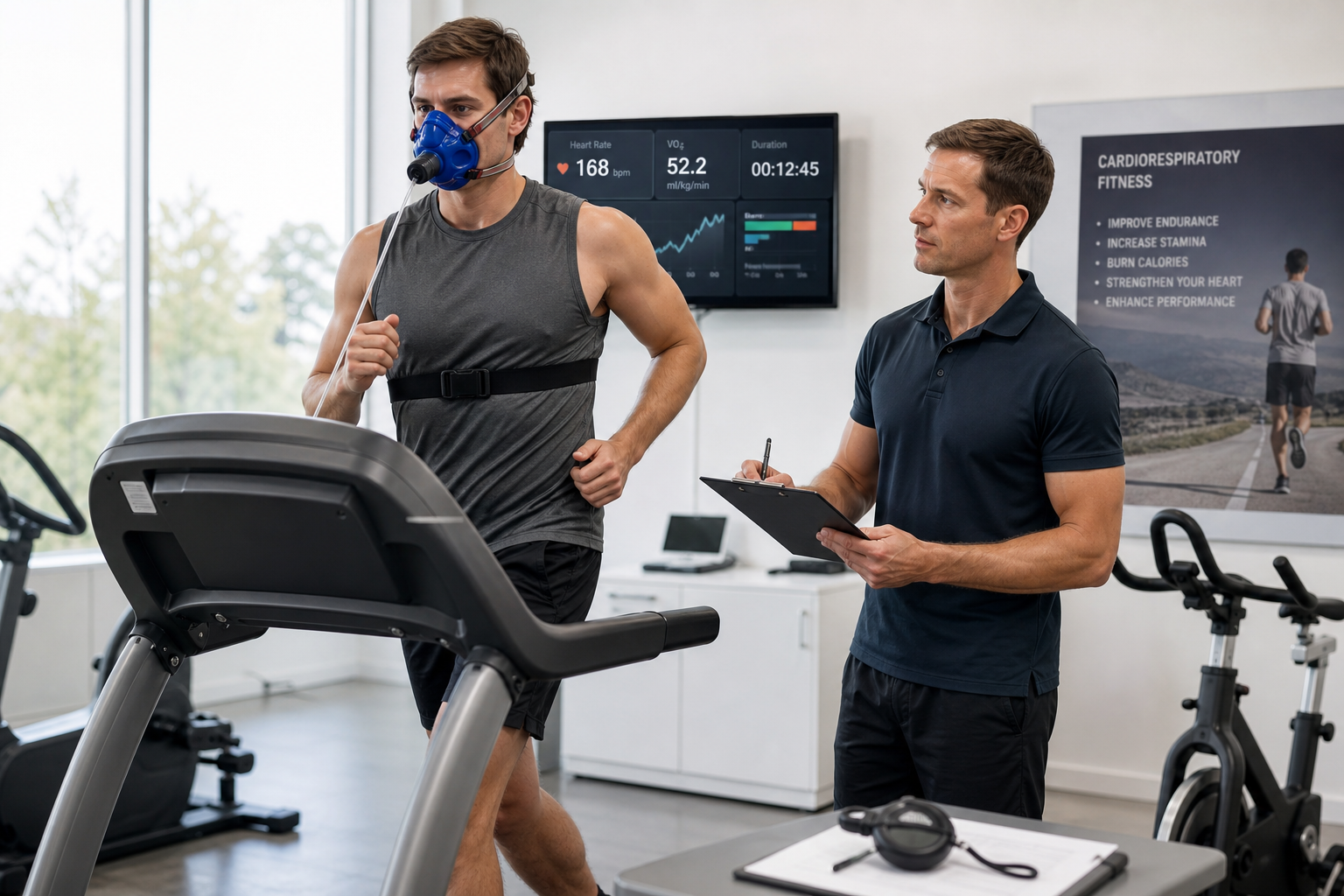
Cardiorespiratory Fitness


Changing careers can feel exciting and overwhelming at the same time. You may know you want to work in fitness, wellness, coaching, human performance, or health education, but you may not know which exercise science degree pathway makes the most sense.
The good news is that exercise science offers several entry points. Career changers do not all need the same starting point. The best pathway depends on your previous education, career goals, timeline, budget, transfer credits, and the type of role you want next.
Quick Answer
The best exercise science degree pathways for career changers include a certificate for a faster skills-focused start, an associate degree for foundational education, a bachelor’s degree for broader career preparation, and a master’s degree for advanced knowledge or leadership growth.
Career changers should choose a pathway based on where they are starting and where they want to go. Someone entering fitness for the first time may begin with a certificate or associate degree, while someone who already has a bachelor’s degree may consider a master’s degree in exercise science.
Exercise science is the study of how the body responds and adapts to physical activity. Students learn about anatomy, physiology, biomechanics, strength training, conditioning, wellness, nutrition, behavior change, and human performance.
For career changers, exercise science can be appealing because it connects science with practical work. Instead of sitting behind a desk all day, many exercise science careers involve coaching, teaching, leading, assessing movement, supporting behavior change, and helping people improve health or performance.
Many career changers want work that helps others improve health, confidence, strength, and quality of life.
Exercise science can support careers in fitness, wellness, performance, health education, and leadership.
Students can choose a certificate, associate degree, bachelor’s degree, or master’s degree depending on their background.
A certificate pathway can be a good option for career changers who want to build practical fitness knowledge without committing to a full degree right away. This path may help students explore personal training, coaching, exercise programming, and applied fitness concepts.
This pathway may fit someone who wants to begin learning quickly, test interest in the field, or add exercise science skills to an existing background in education, healthcare, athletics, military service, or wellness.
An associate degree in exercise science can help career changers build a strong academic foundation. Students may study movement, anatomy, exercise programming, wellness, and coaching principles while preparing for entry-level fitness or wellness opportunities.
This can be a strong option for students who are new to college, returning after time away, or looking for a structured starting point before moving into a bachelor’s degree.
A bachelor’s degree in exercise science is often the most flexible pathway for career changers who want broader preparation. It can support careers in fitness, strength and conditioning, wellness, health education, coaching, and graduate school preparation.
This pathway may be the right fit if you want a deeper academic foundation and more career mobility. It may also help students prepare for future study in fields such as physical therapy, occupational therapy, athletic training, or related health professions, depending on prerequisite requirements.
A master’s degree in exercise science may be a strong pathway for career changers who already hold a bachelor’s degree and want advanced knowledge. This can be especially useful for people coming from education, business, healthcare, athletics, military leadership, or fitness management.
Graduate study can help students explore higher-level topics such as leadership, program design, wellness strategy, performance, research interpretation, and advanced exercise science concepts.
| Pathway | Best For | Career Direction |
|---|---|---|
| Certificate | Students who want a faster, skills-focused start. | Personal training, coaching, fitness fundamentals. |
| Associate Degree | Students starting or restarting college. | Fitness, wellness, transfer into bachelor’s study. |
| Bachelor’s Degree | Students seeking broad career preparation. | Strength and conditioning, wellness, coaching, graduate school. |
| Master’s Degree | Students who already have a bachelor’s degree. | Leadership, advanced coaching, wellness strategy, career growth. |
The best exercise science degree pathway for career changers should start with the career goal, not just the degree title. Different roles may require different levels of education, certifications, experience, or graduate preparation.
| If Your Goal Is... | Consider This Pathway |
|---|---|
| Start coaching clients sooner | Certificate or associate degree |
| Build a long-term fitness career | Bachelor’s degree |
| Move into fitness leadership | Bachelor’s or master’s degree |
| Prepare for graduate healthcare pathways | Bachelor’s degree with required prerequisites |
| Add advanced expertise to an existing career | Master’s degree |
Career changers often worry that they are starting over. In reality, many already bring valuable skills into exercise science.
Teaching, coaching, customer service, management, and healthcare roles all build communication skills.
Career changers from military, education, management, or athletics may already know how to lead people.
Exercise professionals constantly adjust plans based on goals, barriers, schedules, injuries, and progress.
As an exercise science educator, I often see career changers succeed because they understand people. They may be new to exercise science terminology, but they often bring maturity, work ethic, and real-world perspective that helps them connect with clients, athletes, and students.
Start with the job or setting you want, then choose the education pathway that supports it.
Prior coursework may affect your timeline. Career changers should ask about transfer credit before assuming they need to start from the beginning.
A degree matters, but employers may also value certifications, coaching experience, internships, volunteer work, and practical projects.
Career change often happens while balancing work, family, and finances. A flexible online pathway can help students make progress without pausing life.
The best pathway depends on your background and goals. A certificate can help you start faster, an associate degree builds a foundation, a bachelor’s degree supports broader career preparation, and a master’s degree may fit students who already have a bachelor’s degree.
Yes. Many students enter exercise science from other fields. Strong communication, leadership, discipline, and problem-solving skills can transfer well into fitness, wellness, coaching, and human performance careers.
A certificate may be useful for faster skill building. A degree may be better for broader career preparation, leadership roles, graduate school planning, or long-term advancement.
Yes, if they meet admissions requirements. A master’s degree may be a strong option for students who already have a bachelor’s degree and want advanced exercise science knowledge.
Possible paths include personal trainer, strength and conditioning coach, wellness coordinator, fitness manager, group fitness instructor, health educator, exercise physiologist, and graduate school preparation for related healthcare fields.
Lionel University offers online exercise science pathways designed for working adults, career changers, military-connected students, and students balancing school with real-life responsibilities. Program options include the Master Trainer certificate, associate degree in exercise science, bachelor’s degree in exercise science, and master’s degree in exercise science.
Students study how the body moves, adapts, strengthens, and recovers. Depending on the program, students may also build career-ready skills through industry-recognized certifications, applied coursework, and academic preparation for coaching, wellness, fitness leadership, human performance, or graduate study.
Career change does not have to mean starting over. The right exercise science pathway can help you connect past experience with a future in fitness, wellness, coaching, performance, or health education.
Start with your goal, review your current education, ask about transfer credit, and choose the pathway that matches where you are now and where you want to go next.
View Degree and Certificate Programs