
Testimonials
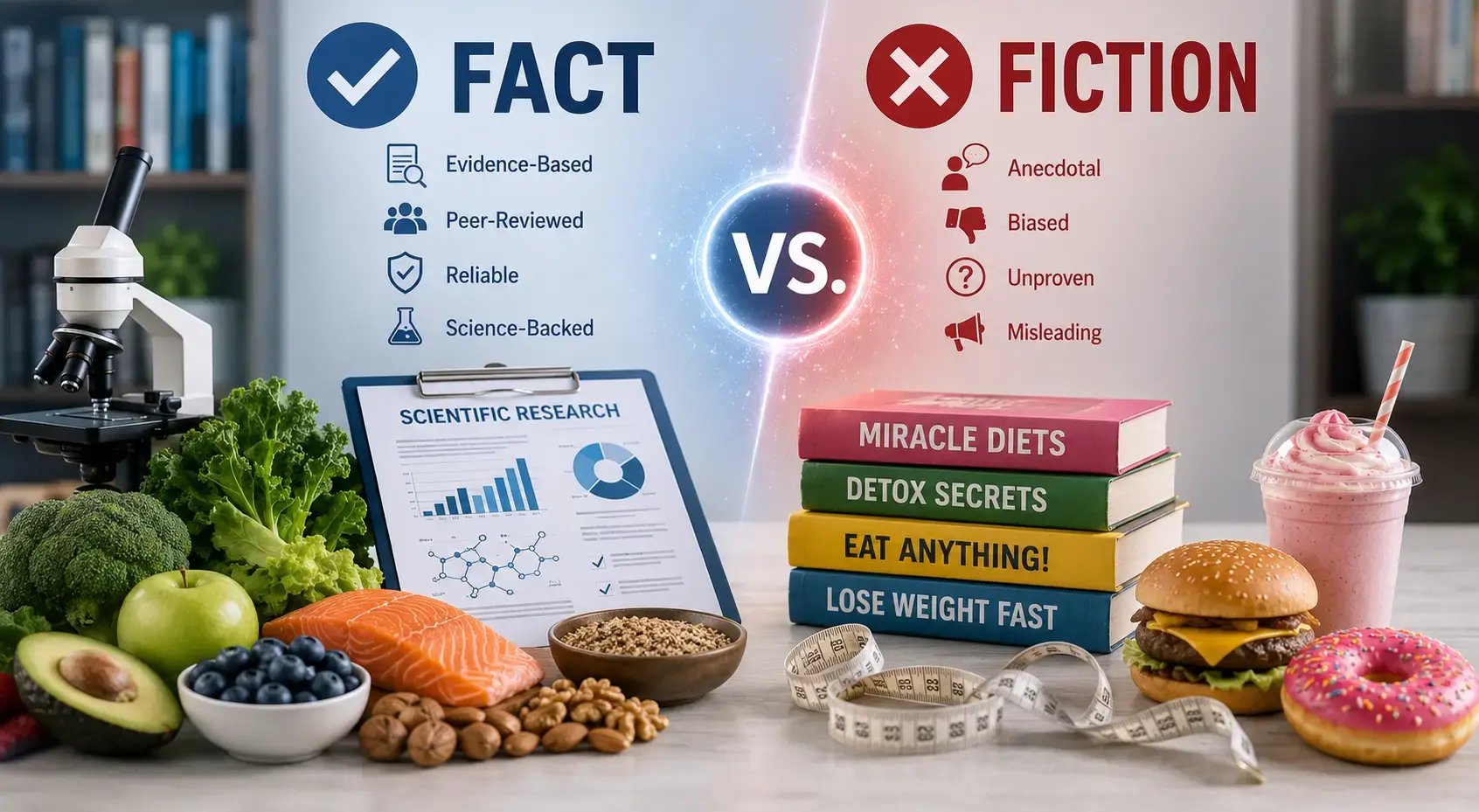

With so much information about nutrition available online, it's easy to get overwhelmed by conflicting advice. Social media, influencers, and even outdated research contribute to misinformation, making it difficult to distinguish fact from fiction. What was once considered unhealthy may now be recommended, and some diet trends lack scientific backing altogether.
How do we know what's true? The answer lies in scientific research. This article explores how nutrition science works, debunks common nutrition myths, and provides evidence-based guidance to help you make informed dietary choices. Students interested in health, nutrition, and wellness careers can explore educational pathways through the Lionel University Programs Overview.
Nutrition science follows the scientific method, ensuring that dietary recommendations are based on credible research rather than opinions, trends, or marketing claims. The process includes:
This process helps ensure that evidence-based recommendations shape public health guidelines and clinical practice.
Different forms of research contribute to our understanding of nutrition and health.
Observational research examining dietary patterns across large populations.
Example: Studies investigating the relationship between the Mediterranean diet and cardiovascular health.
Considered the gold standard in nutrition research, RCTs test specific dietary interventions under controlled conditions.
These studies combine findings from multiple research papers to provide stronger conclusions and reduce bias.
Students pursuing advanced studies in health sciences often learn to evaluate these research methods through programs such as Lionel University's Bachelor's Degree Programs and Master's Degree Programs.
Fact: Not all carbohydrates are created equal. Refined carbohydrates, such as sugary snacks and white bread, may contribute to weight gain when consumed excessively. However, whole grains, fruits, vegetables, and legumes provide fiber, vitamins, and minerals that support overall health.
Fact: Research indicates that high-protein diets do not harm kidney function in healthy individuals. Concerns primarily apply to people with existing kidney disease.
Fact: The liver and kidneys naturally detoxify the body. Juice cleanses and detox teas lack strong scientific support and may deprive the body of essential nutrients.
Fact: Healthy fats found in foods such as nuts, seeds, avocados, and olive oil are essential for brain function, hormone production, and cardiovascular health. The focus should be on choosing healthy fats while limiting trans fats and excessive saturated fats.
Fact: Weight gain is primarily influenced by overall calorie balance rather than meal timing alone. However, late-night eating may contribute to excess calorie consumption in some individuals.
Fact: While organic foods may reduce exposure to certain pesticides, their nutritional content is generally similar to conventionally grown produce. Consuming a variety of fruits and vegetables is more important than focusing solely on organic labels.
Fact: Many sugar-free products contain artificial sweeteners and additives. While these products can help reduce sugar intake, whole and minimally processed foods remain the best foundation for a healthy diet.
Professionals who educate clients about nutrition and wellness often strengthen their expertise through programs such as the Lionel Certified Personal Trainer Program, which emphasizes evidence-based health practices.
Scientific discoveries continually refine dietary recommendations.
Once believed to significantly increase heart disease risk, current research suggests that moderate egg consumption is safe for most healthy individuals and provides valuable nutrients, including protein and choline.
Nutrition guidelines have shifted away from low-fat recommendations toward emphasizing healthy fats, including omega-3 fatty acids and unsaturated fats.
Research supports limiting processed red meat consumption to reduce cancer risk, while moderate consumption of lean, unprocessed red meat can fit into a balanced diet.
Nutrition science evolves as new evidence becomes available. Organizations such as the Dietary Guidelines for Americans and the World Health Organization (WHO) regularly update recommendations based on current research findings.
Trust information from:
Be cautious of influencers or websites that lack scientific references.
Reliable nutrition information cites studies and research rather than relying on testimonials or anecdotal evidence.
If a diet promises rapid weight loss, miracle cures, or dramatic health improvements with minimal effort, skepticism is warranted. Evidence-based nutrition focuses on sustainable lifestyle habits.
Nutrition science continues to evolve, making ongoing education important for healthcare providers and consumers alike.
Students interested in becoming leaders in health, fitness, and wellness education may benefit from advanced professional development opportunities such as Lionel University's Master Trainer Program.
Evidence-based nutrition education plays a critical role in:
Healthcare professionals, educators, and fitness practitioners all contribute to improving nutrition literacy within communities.
Emerging technologies are transforming nutrition research and personalized health recommendations.
AI-powered tools can analyze dietary patterns, genetic factors, and lifestyle behaviors to create individualized nutrition recommendations.
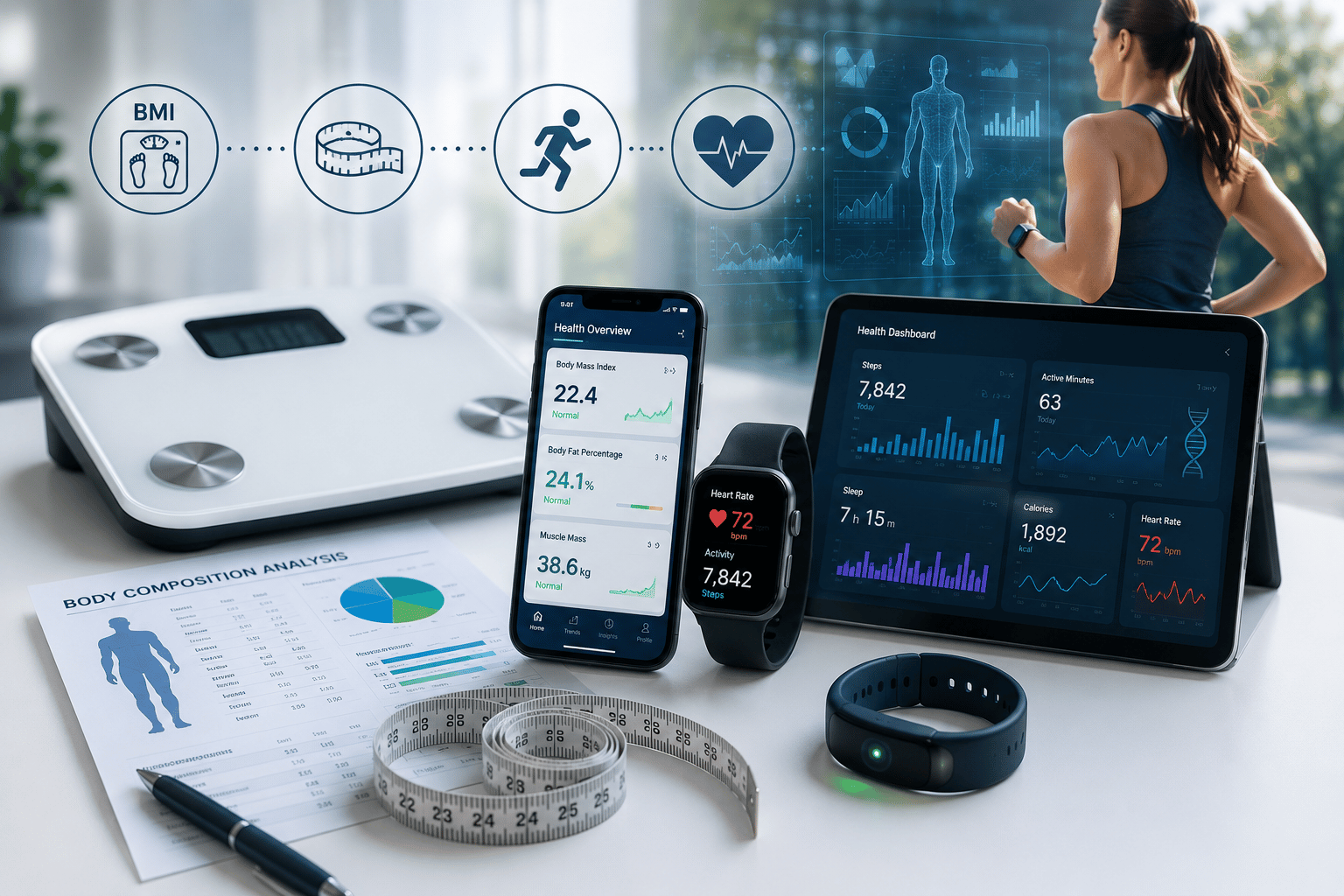
Wearable devices and mobile apps help users monitor food intake, physical activity, and health metrics in real time.
Researchers continue to explore how genetics, metabolism, and gut microbiota influence dietary responses, paving the way for increasingly personalized nutrition strategies.
Students pursuing careers in these emerging fields may explore educational opportunities and financial support through Lionel University's Financial Aid Process.
Understanding nutrition through scientific research is essential for making informed dietary choices. Many popular food myths lack scientific support, while evidence-based nutrition provides a reliable foundation for healthy living.
By relying on credible research, public health guidelines, and qualified health professionals, individuals can separate fact from fiction and make decisions that support long-term well-being. To learn more about educational opportunities in health, fitness, and wellness, visit Lionel University or contact the admissions team for additional information.
Stay informed, question extreme claims, and trust research-based recommendations for a healthier future.