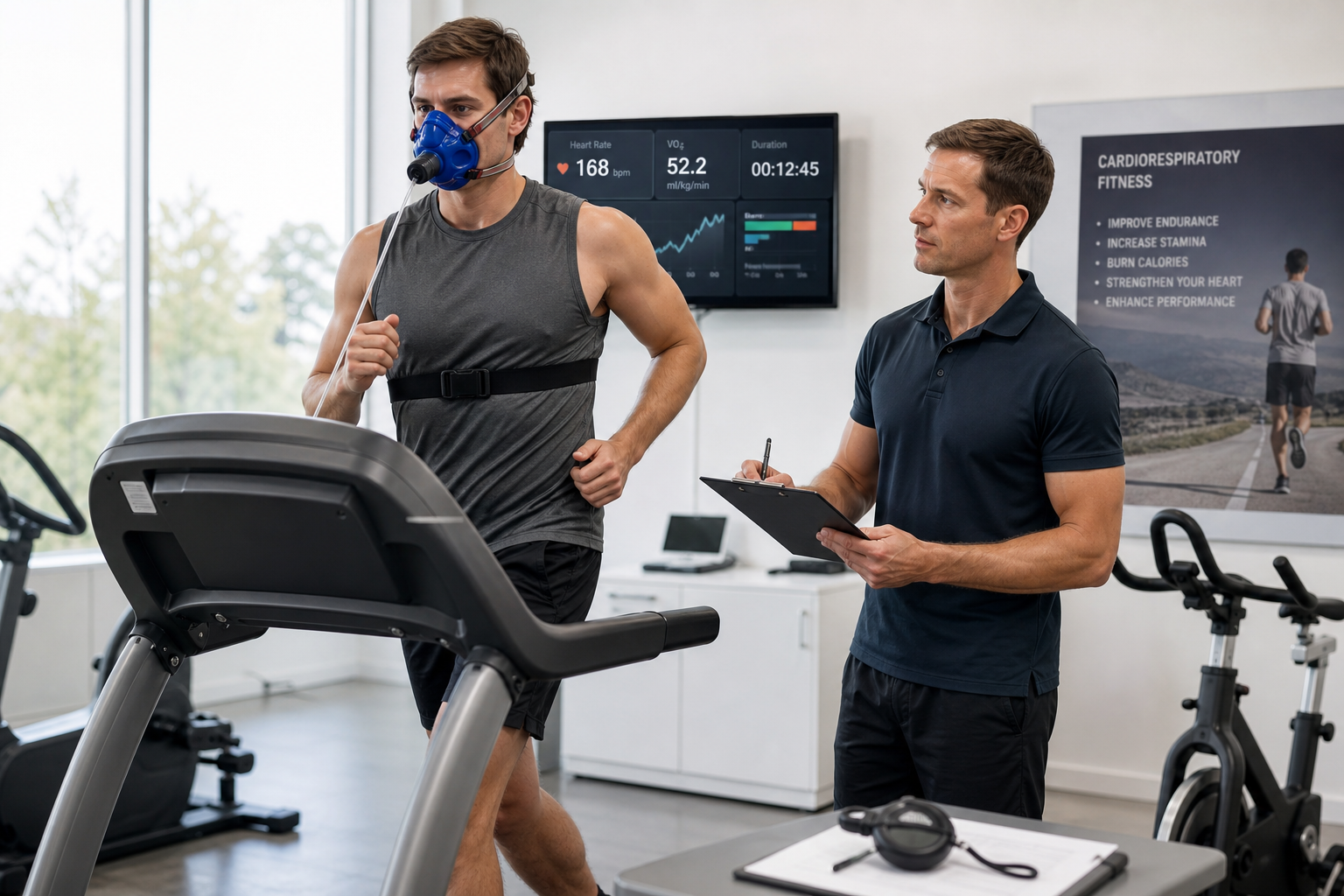
Cardiorespiratory Fitness
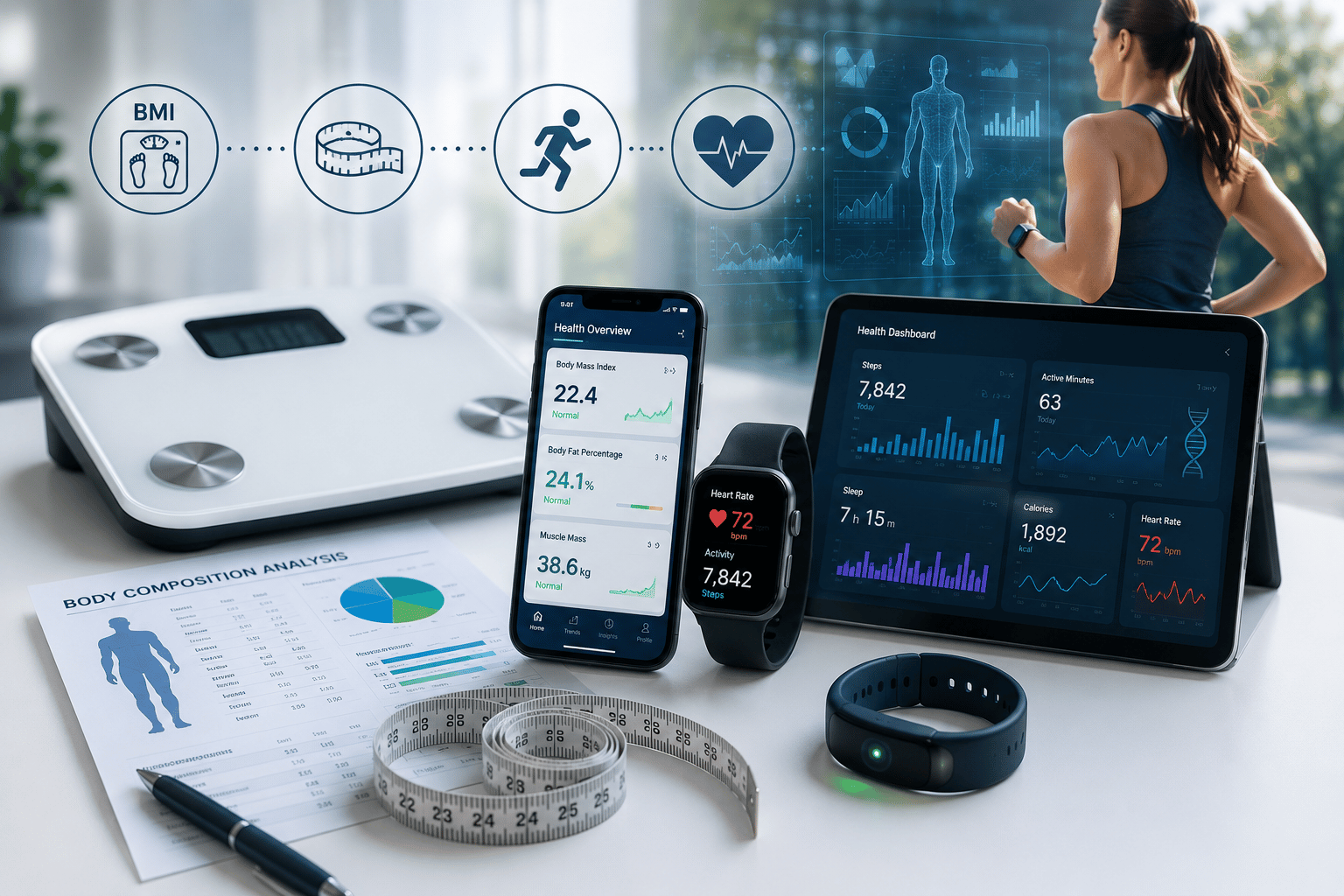

Accurate health assessment is a cornerstone of effective healthcare and public health planning. As global rates of obesity and physical inactivity continue to rise, understanding and measuring these factors is more important than ever. From traditional methods like Body Mass Index (BMI) to cutting-edge wearable technology, health assessment tools offer diverse options for individuals, healthcare providers, and researchers. This article explores the range of tools and techniques available, their strengths and limitations, and how they contribute to better health outcomes. Individuals interested in careers related to health, fitness, and wellness can explore opportunities through the Lionel University Programs Overview.
Health assessment involves evaluating factors such as body composition, physical activity levels, and overall well-being. Reliable assessments allow for:
Healthcare and fitness professionals often develop these assessment skills through specialized academic programs, including Lionel University's Bachelor's Degree Programs and Master's Degree Programs.
BMI is a widely used metric that relates weight to height and is calculated as weight in kilograms divided by height in meters squared.
Advantages:
Limitations:
These tools focus on fat distribution, particularly central obesity.
Waist Circumference: Measures abdominal fat, a strong indicator of metabolic risk.
WHR: Compares waist and hip measurements to assess fat distribution and potential health risks.
Skinfold calipers estimate subcutaneous fat by measuring the thickness of fat folds at specific body sites.
Advantages:
Limitations:
Students pursuing careers in exercise science often gain hands-on experience with these assessment methods through programs such as Lionel University's Associate Degree in Exercise Science.
BIA estimates body composition, including fat and lean mass, by measuring the body's resistance to electrical currents.
Advantages:
Limitations:
Dual-energy X-ray absorptiometry (DEXA) provides a detailed analysis of fat mass, lean tissue, and bone density.
Advantages:
Limitations:
MRI and CT scans provide precise visualization of fat distribution, especially visceral fat, which is strongly associated with chronic disease risk.
Advantages:
Limitations:
Devices such as Fitbit, Garmin, and Apple Watch monitor steps, heart rate, activity levels, and sleep patterns while providing real-time feedback.
Advantages:
Limitations:
Many fitness professionals trained through the Lionel Certified Personal Trainer Program incorporate wearable technology into client assessments and wellness planning.
Health and fitness apps integrate activity tracking with goal setting, calorie monitoring, and exercise reminders.
Advantages:
Limitations:
Emerging technologies leverage large datasets to provide personalized health insights, identify risk factors, and improve intervention strategies.
Professionals seeking advanced expertise in health technology and evidence-based fitness assessment may benefit from programs such as Lionel University's Master Trainer Program.
These tools collect subjective data regarding activity frequency, intensity, and duration.
Strengths:
Weaknesses:
Accelerometers and pedometers objectively track movement and provide valuable data for both personal and research applications.
Strengths:
Weaknesses:
Trained observers record activity patterns in real-world environments, providing rich contextual information.
Strengths:
Weaknesses:
Combining multiple assessment methods provides a more comprehensive understanding of health status.
Examples include:
Advanced technologies such as DEXA scans, MRI, and CT imaging may be prohibitively expensive for some individuals and healthcare systems.
Metrics such as BMI or wearable device readings may be misleading when interpreted without additional context.
Access to wearables, specialized assessments, and healthcare resources varies significantly across populations, impacting health equity.
Health assessments play a vital role in public health by supporting:
Using data to inform legislation, funding priorities, and community health initiatives.
Creating targeted programs aimed at improving physical activity levels and reducing obesity rates.
Evaluating the effectiveness of public health campaigns and wellness programs over time.
The integration of wearable technology, artificial intelligence, and mobile health applications is transforming the future of health assessment. These innovations improve personalization, accessibility, and engagement while generating valuable data for healthcare providers, researchers, and policymakers.
Students interested in pursuing careers in health sciences, fitness, and wellness can explore financial support opportunities through Lionel University's Financial Aid Process.
From BMI to wearables, the tools and techniques for health assessment are evolving rapidly. Each method offers unique strengths and limitations, but when used together, they provide a robust framework for understanding and improving health.
As technology advances, the potential for more precise, accessible, and impactful health assessments continues to grow, paving the way for better health outcomes worldwide. To learn more about educational opportunities in health, exercise science, and fitness, visit Lionel University or contact the admissions team for additional information.