
Cardiovascular
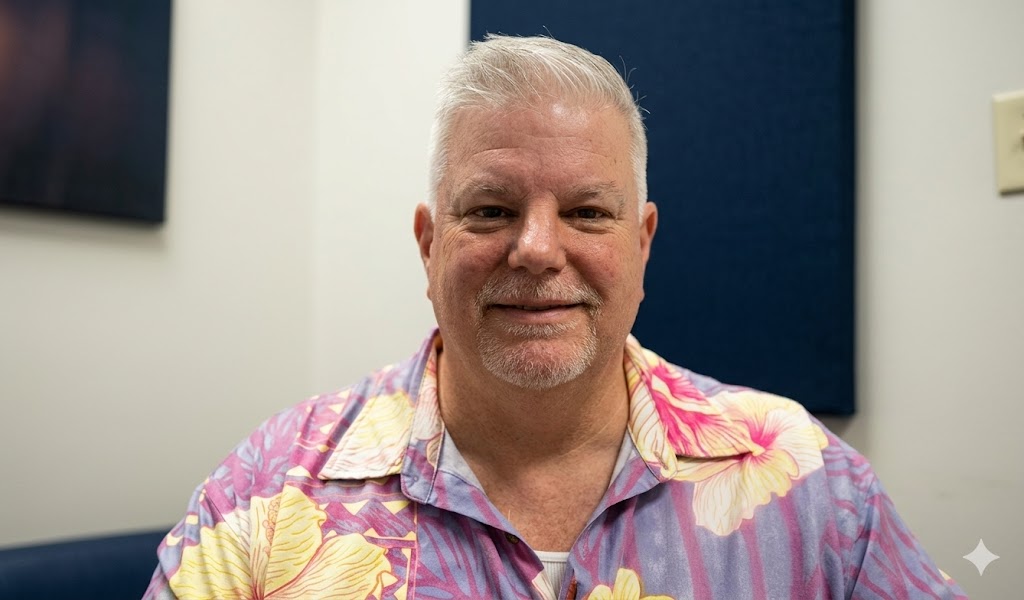

Like most people, I became a personal trainer because of my love of fitness. Helping people build muscle, get stronger, or lose body fat was something that gave me satisfaction every day I went to work. Much of what I knew about exercise came from reading books or magazines, along with my own experience in the gym, and I was successful for a long time without a degree in a field related to my profession.
After spending decades in the field, I reached a crossroads in my career. Despite having a lifetime of experience in the fitness industry, I hit a ceiling in my career due to my lack of a college degree. Doors would not open without the diploma that better opportunities required. It was time to go back to school and get the key to unlocking jobs that provided better career options.
Quick Answer
An exercise science degree can help an experienced fitness professional move beyond personal training by adding the scientific knowledge, professional credibility, and practical skills needed for more advanced coaching, performance, and clinical roles.
For me, the degree did not replace my experience. It helped me understand it, organize it, and apply it more effectively to clients with complex goals.
For most fitness professionals, exercise science is a fascinating field of study. Almost everyone understands that regular exercise and better nutrition are good for the body, but not many people understand how the various systems in our bodies adapt to exercise and use different food sources to fuel us during workouts. Exercise science is truly the science of exercise, and our bodies are the laboratories where chemical reactions occur to make us leaner, stronger, and more muscular.
I chose Lionel University because it is not simply a school with an exercise science program; it is a school for exercise science. As a student at Lionel University, I had fantastic teachers from across the country teaching me how subjects such as chemistry, physiology, and kinesiology were important not only in the classroom, but in the gym as well.
I learned how to properly apply science to exercise and use my studies with my personal training clients. My value as a trainer increased with the skills I learned, and as I moved closer to earning my degree, I understood why a degree was required for the jobs I wanted to pursue.
Upon graduation, I continued working in the fitness industry, but I was now able to expand my services and increase my training rates. The importance of knowing your worth comes from being able to bring more value to your clients. My education gave me a bigger toolbox with more tools to help a broader range of clients and goals.
Understanding physiology, chemistry, biomechanics, and kinesiology made my coaching decisions more intentional.
A broader skill set allowed me to support more complex goals and expand the services I could offer.
The degree helped remove a professional ceiling and opened paths beyond traditional personal training.
In the fitness field, we often get hung up on specializations and look at them as separate issues in our clients. But truthfully, specialization courses are simply more tools to add to one large toolbox. The more knowledge we have about different subjects related to exercise, the better we can address the multiple goals a client may have.
This became very evident when I began working with an aspiring police officer who suffered a horrific knee injury while teaching a group fitness class. Her MCL was torn, and she also experienced a dislocated kneecap, cartilage damage, and a damaged patellar tendon. After complete knee reconstruction, her orthopedic surgeon had doubts about whether she would ever run again.
Her father asked me whether I thought I could help her. After watching her move, I felt confident that I could. With the approval of her surgeon and physical therapist, we created a plan to restore normal knee function while preparing her to meet the requirements of the police physical fitness test.
We also discussed the long-term goal of preparing her for the daily physical demands of the academy, including five-mile runs, obstacle courses, and defensive tactics.
This created a detailed needs analysis for her program design. We needed to strengthen her knee and restore normal movement. We also needed to prepare her for every component of the police fitness test:
We also had to ensure that her knee could withstand daily beach runs at the academy, obstacle courses, and hand-to-hand combat drills.
Her program was designed with several exercise science concepts in mind:
Consider the energy systems she would use during each individual test and train them appropriately.
Improve her gait pattern during both the 300-meter and 1.5-mile runs.
Address weak muscle groups during push-ups and sit-ups to improve performance and stability.
Refine her technique and increase her power in the vertical leap.
Our plan was to think strategically about her long-term goal while acting tactically to address every obstacle in her immediate path.
The Outcome
After a year of training together, I had the honor of watching her graduate from the police academy after finishing near the top of her class in physical fitness. She is currently competing in bikini contests, and her training is designed for both competition and her on-the-job fitness needs.
With regard to specializations, did I use corrective exercise, tactical fitness, or strength and conditioning programs to help her reach her goal? The answer is that I used all of them.
Because I applied the fundamental principles of exercise science and addressed each part of the needs analysis, her success was not the result of one specialization. It came from the collective use of all the skills I had acquired.
Focus less on what we call a specialty and more on how we can incorporate those skills with other aspects of the programs we design. Build a bigger toolbox.
Strong coaching is not about forcing every client into a single specialty. It is about combining assessment, physiology, biomechanics, program design, communication, and professional judgment to solve the problem in front of you.
In addition to online training, I currently work in a cancer center as an exercise physiologist in the exercise oncology department. With an exercise science degree, your job prospects can expand beyond personal training and branch into medical exercise.
Many hospitals utilize fitness professionals in cardiology, pulmonology, behavioral health, and oncology departments. Most strength and conditioning jobs require an exercise science degree, but those roles are also expanding at every level, and more opportunities become available with the right education.
| Career Area | How Exercise Science Applies |
|---|---|
| Personal Training | Assessment, program design, behavior change, movement instruction, and client progression. |
| Strength and Conditioning | Performance testing, biomechanics, energy systems, recovery, and athletic development. |
| Clinical Exercise | Exercise support in cardiology, pulmonology, oncology, and other healthcare settings. |
| Tactical Fitness | Preparing law enforcement, military, and first responders for occupational demands. |
Exercise science is a field that has grown dramatically in the 21st century. To keep up with this expansion, you must be committed to lifelong learning.
That starts with a formal education, but it does not end with a diploma. Keep learning. Keep adding to the toolbox.
Experience gave me a foundation as a trainer, but education helped me understand how to apply that experience at a higher level. It helped me serve clients with more complex needs, expand my career options, and move into clinical exercise physiology.
A degree does not erase the value of years spent coaching. It gives that experience a stronger scientific framework and adds new tools that can help you create better outcomes for the people you serve.
Explore Lionel University’s online exercise science degree and certificate pathways.