
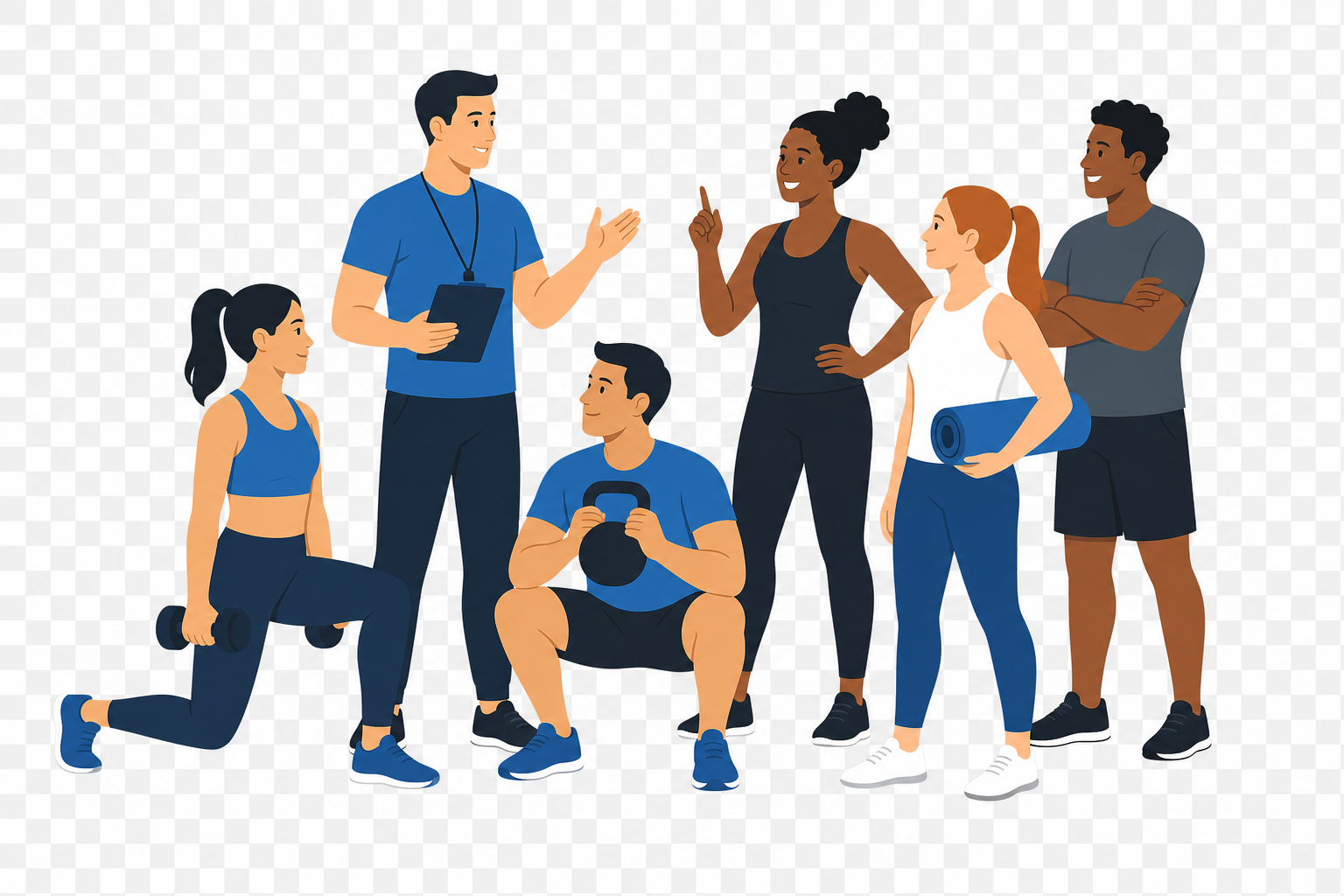
Cardiorespiratory Fitness
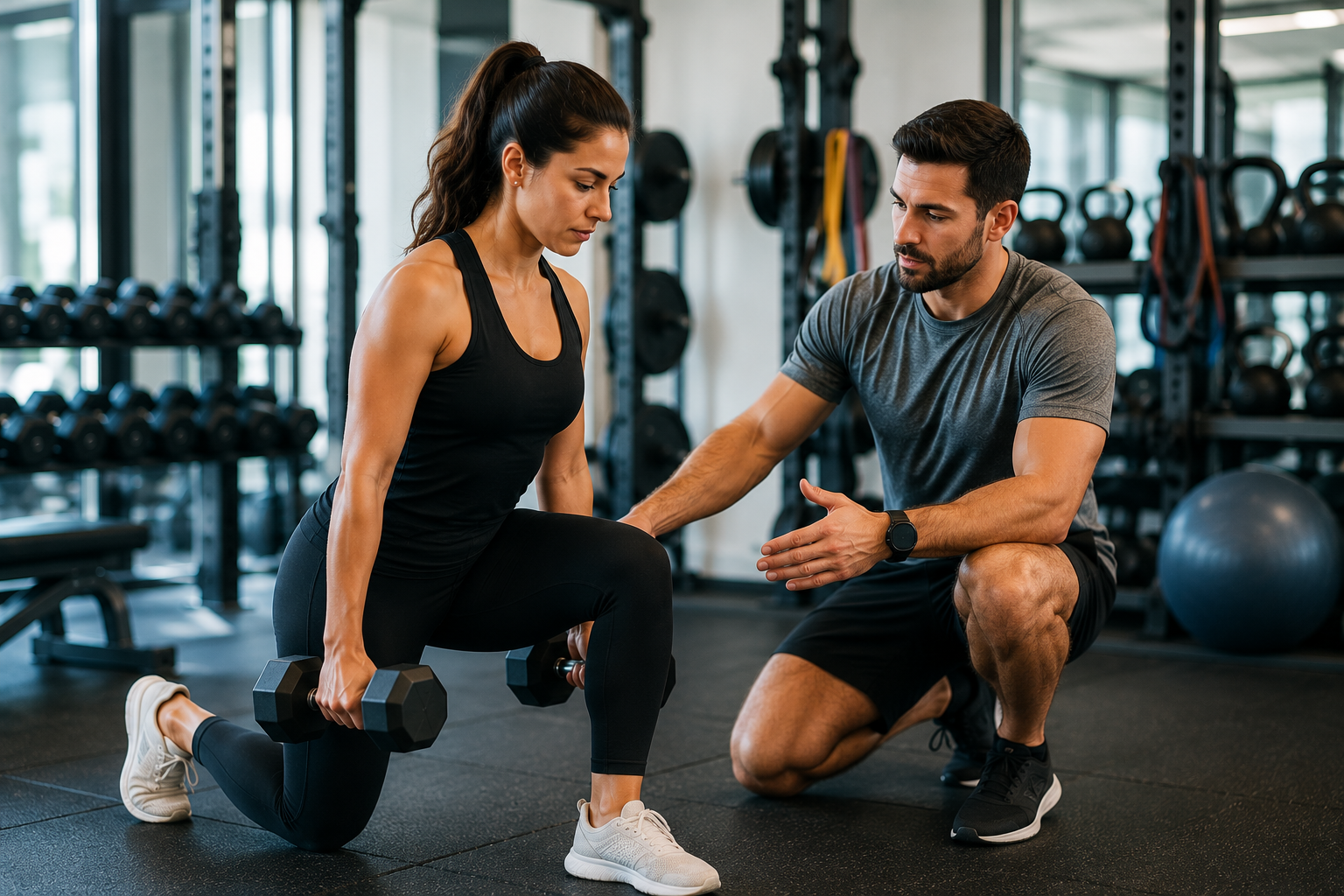

Personal training is one of the most common paths into fitness.
Many people work with a personal trainer because they want guidance, structure, and accountability. Others want help learning proper exercise form, building strength, losing weight, improving mobility, or feeling more confident in the gym.
But personal training is more than counting repetitions.
A good personal trainer understands exercise science, movement, coaching, communication, and behavior change. They know how to adjust workouts for different goals, fitness levels, and client needs.
In this guide, you will learn what personal training is, how it works, what personal trainers do, who can benefit, and what to expect if you are considering personal training as a client or career path.
Quick Answer
Personal training is one-on-one or small-group fitness coaching led by a qualified fitness professional.
A personal trainer helps clients set goals, learn exercise technique, build workout programs, track progress, and stay consistent.
Personal training can support goals such as strength, weight management, endurance, mobility, confidence, and general health. It is not medical care, physical therapy, or nutrition therapy, but it can be an important part of a healthy lifestyle.
Many people want to exercise, but they are not sure where to start.
They may feel confused by workout plans, fitness applications, gym equipment, or social media advice. Others have exercised before but struggled to remain consistent.
Personal training can help solve these problems by creating a clear plan, teaching proper form, adjusting exercises, and providing accountability.
A trainer can replace random workouts with a program connected to a specific goal.
Clients can learn how to use equipment and perform movements more confidently.
The program can be adjusted for the client’s experience, schedule, goals, and limitations.
Scheduled sessions and progress tracking may help clients stay consistent when motivation changes.
Personal training helps people move from guessing to training with purpose.
Personal training is fitness coaching designed around an individual client or small group.
The trainer helps the client improve fitness through structured exercise, education, and ongoing coaching.
Personal training may include:
Personal training can happen in a gym, private studio, client’s home, workplace, outdoor space, or online.
The main idea is simple: the client receives a plan and coaching that fit their needs.
Personal training is based on exercise science. A qualified trainer should understand how the body moves and responds to physical activity.
Anatomy is the study of body structures. Personal trainers need to understand muscles, bones, joints, and basic movement.
Example: A trainer should understand how the hips, knees, and ankles work together during a squat.
Exercise physiology studies how the body responds and adapts to exercise. It helps trainers understand strength, endurance, fatigue, energy use, and recovery.
Example: A beginner needs a different training load than an advanced lifter because their body adapts differently.
Biomechanics studies movement and force. Trainers use biomechanics to teach more effective exercise technique and modify movements when necessary.
Example: A trainer may adjust a client’s push-up position to reduce shoulder stress and improve control.
Program design is the process of creating a workout plan with appropriate exercises, sets, repetitions, intensity, rest, and progression.
Example: A client training for strength may use heavier resistance and longer rest periods. A client building general fitness may use a combination of strength, cardiovascular training, and mobility.
Personal training also involves psychology. Many clients need help building confidence, remaining motivated, and creating sustainable habits.
A trainer may help a client set realistic goals, plan weekly workouts, identify barriers, and build consistency over time.
A personal trainer does much more than lead workouts.
A trainer may review movement quality, strength, endurance, mobility, balance, exercise experience, goals, health history within scope, and common barriers.
Programs may include resistance training, cardiovascular conditioning, mobility, balance, core work, warm-ups, cool-downs, and recovery guidance.
Trainers coach exercises such as squats, lunges, deadlifts, push-ups, rows, presses, planks, carries, intervals, and mobility drills.
Progress may include weight lifted, repetitions, workout consistency, mobility, endurance, movement quality, energy, and confidence.
A trainer helps clients show up, remain focused, and continue working when motivation changes.
A responsible trainer does not diagnose injuries, treat medical conditions, prescribe medical diets, or replace licensed healthcare professionals.
Important: Personal trainers should refer clients to qualified healthcare or nutrition professionals when a client’s needs fall outside the trainer’s education and scope of practice.
Step 1
The trainer learns about the client’s goals, exercise background, schedule, limitations, preferences, and available equipment.
Common questions: What are your goals? What has worked before? How many days can you train? Do you have injuries or limitations?
Step 2
The trainer may use appropriate movement screens, strength tests, cardiovascular tests, mobility checks, or balance assessments to establish a starting point.
Step 3
The trainer creates a plan that may include coached sessions, independent workouts, recovery days, exercise modifications, and planned progressions.
Step 4
During sessions, the trainer coaches technique, adjusts exercises, manages pacing, and keeps the workout connected to the client’s goal.
Step 5
As the client improves, the program changes.
Step 6
A good trainer reviews progress regularly. If the client is not progressing, the plan may need changes to training frequency, exercises, intensity, recovery, or expectations.
Programs may use free weights, machines, resistance bands, kettlebells, or bodyweight exercises.
Trainers can support exercise consistency and general healthy habits while keeping nutrition guidance within scope.
Muscle growth requires progressive resistance training, sufficient recovery, and consistency.
Programs may include mobility drills, stretching, posture work, and movement practice.
Training may include walking, cycling, rowing, running, intervals, or circuit-based workouts.
A trainer can teach beginners how to use equipment, organize workouts, and exercise more independently.
Athletes may train for speed, power, agility, strength, conditioning, or sport-specific demands.
Older adults may focus on strength, balance, mobility, confidence, and maintaining independence.
| Training Format | How It Works | Best Fit |
|---|---|---|
| One-on-One | One trainer works directly with one client. | Clients wanting the most individualized coaching. |
| Small Group | A trainer coaches several clients in one session. | Clients seeking coaching at a potentially lower cost. |
| Online | Workout plans, video feedback, check-ins, and application-based tracking are delivered remotely. | Clients who need flexibility or train independently. |
| Hybrid | Combines in-person sessions with independent or online workouts. | Clients wanting both live coaching and flexibility. |
| In-Home | The trainer travels to the client’s home. | Busy clients, beginners, or clients who value privacy. |
| Corporate | Fitness coaching is delivered through workplace wellness programs. | Employees and organizations supporting workplace health. |
| Role | Main Focus |
|---|---|
| Personal Trainer | Individualized exercise coaching and program design. |
| Group Fitness Instructor | Leading exercise classes for multiple participants. |
| Health Coach | Behavior change, wellness habits, and lifestyle support. |
| Strength Coach | Athletic performance, strength, speed, power, and conditioning. |
| Exercise Physiologist | Exercise response, clinical exercise, fitness testing, and performance analysis. |
| Physical Therapist | Licensed evaluation and treatment of pain, injuries, movement problems, and rehabilitation needs. |
A personal trainer usually creates individualized programs. A group fitness instructor leads a class for multiple participants at once.
A personal trainer focuses primarily on exercise programming and technique. A health coach focuses more broadly on behavior change, lifestyle habits, and wellness routines.
An exercise physiologist generally has deeper academic preparation in how the body responds to exercise, often for clinical, research, or performance settings.
A physical therapist is a licensed healthcare professional who evaluates and treats pain, injuries, movement limitations, and post-surgical recovery.
Light cardiovascular activity, mobility drills, activation exercises, or movement practice.
Strength exercises, conditioning, intervals, circuits, balance work, or sport-specific drills.
The trainer observes technique, provides feedback, and modifies exercises when necessary.
Breathing, stretching, mobility, or basic recovery guidance.
The trainer may also record exercises, resistance, repetitions, and client feedback to guide future sessions.
Look for a trainer with a recognized personal training certification. Many employers prefer credentials accredited by respected certification bodies.
Ask whether the trainer has worked with clients who share your goals, fitness level, age, or limitations.
A good trainer should listen, explain clearly, respect your comfort level, and provide useful feedback.
A responsible trainer knows when to refer clients to a physician, physical therapist, registered dietitian, or other qualified professional.
Your workouts should connect to your goals rather than feeling random every session.
The right trainer should match your goals, personality, schedule, communication preferences, and learning style.
Personal training can be a rewarding career path for people who enjoy fitness, coaching, and helping others make progress.
Personal trainers may specialize in areas such as corrective exercise, strength and conditioning, senior fitness, youth fitness, nutrition coaching within scope, online coaching, corporate wellness, or fitness management.
Beginners can benefit, but experienced exercisers may also use trainers to improve technique, overcome plateaus, or add structure.
Good trainers assess, teach, coach movement, design programs, track progress, and support behavior change.
Harder is not always better. Training should match the client’s goals, fitness level, recovery, and safety needs.
Personal trainers should not diagnose or treat injuries. They can modify exercise and refer clients to healthcare professionals.
A beginner, athlete, older adult, and post-rehabilitation client require different training approaches.
Personal training is fitness coaching that helps individuals or small groups improve strength, endurance, mobility, confidence, and general fitness through structured exercise.
A personal trainer reviews goals, builds workout plans, teaches exercise technique, tracks progress, modifies exercises, and helps clients remain consistent.
Personal training can be valuable for people who want structure, accountability, exercise instruction, and a program designed around their goals.
The ideal frequency depends on your goals, budget, schedule, experience, and ability to exercise independently. Some clients meet once per week, while others meet two or three times.
Personal training can support weight-management goals by improving exercise consistency, strength, conditioning, and general healthy habits. Nutrition advice should remain within the trainer’s scope.
A trainer may modify exercises and support general movement, but they should not diagnose or treat pain. Persistent or unexplained pain should be evaluated by a qualified healthcare professional.
Look for a recognized certification from a reputable organization. Employers may prefer credentials accredited by respected certification bodies.
Yes. Online personal training may include custom workouts, video feedback, scheduled check-ins, messaging, and application-based progress tracking.
Personal training generally focuses on exercise programming, instruction, and technique. Fitness coaching may include broader habit, accountability, and lifestyle support.
At Lionel University, students learn how exercise, coaching, and human performance connect.
Students study how the body moves, adapts, and responds to training. They also learn how to apply that knowledge in practical fitness settings.
A useful principle for future trainers: Personal training is not about giving every client the hardest workout. It is about giving each client the right workout.
A beginner may need confidence and basic movement skills. An older adult may need strength and balance. An athlete may need speed, power, and recovery. A busy parent may need a realistic plan that fits a demanding schedule.
Lionel University helps students build a foundation in exercise science, coaching, wellness, and career preparation.
The goal is to help students understand the body and use that knowledge to support healthier, stronger, and more confident clients.
Explore Lionel University’s flexible degree and certificate pathways for personal training, coaching, wellness, and human performance careers.
Explore ProgramsRelated Article
Related Article
Related Article
Personal training is a powerful entry point into fitness, health, and human performance.
It can help clients move better, build strength, improve confidence, and stay accountable to meaningful goals.
A good personal trainer does more than lead workouts. They assess, coach, educate, adjust, and support the person in front of them.
For clients, personal training can make fitness feel clearer and more achievable. For future fitness professionals, personal training can be a meaningful career built on exercise science, communication, and service.
Lionel University helps students build the foundation needed to understand the body, coach with purpose, and support people in reaching their fitness goals.
View Lionel University degree and certificate programs