
Leadership & Organizational Culture

Brazil has a deeply rooted fitness culture, a large community of exercise professionals, and a professional education system that looks very different from what many trainers experience in the United States.
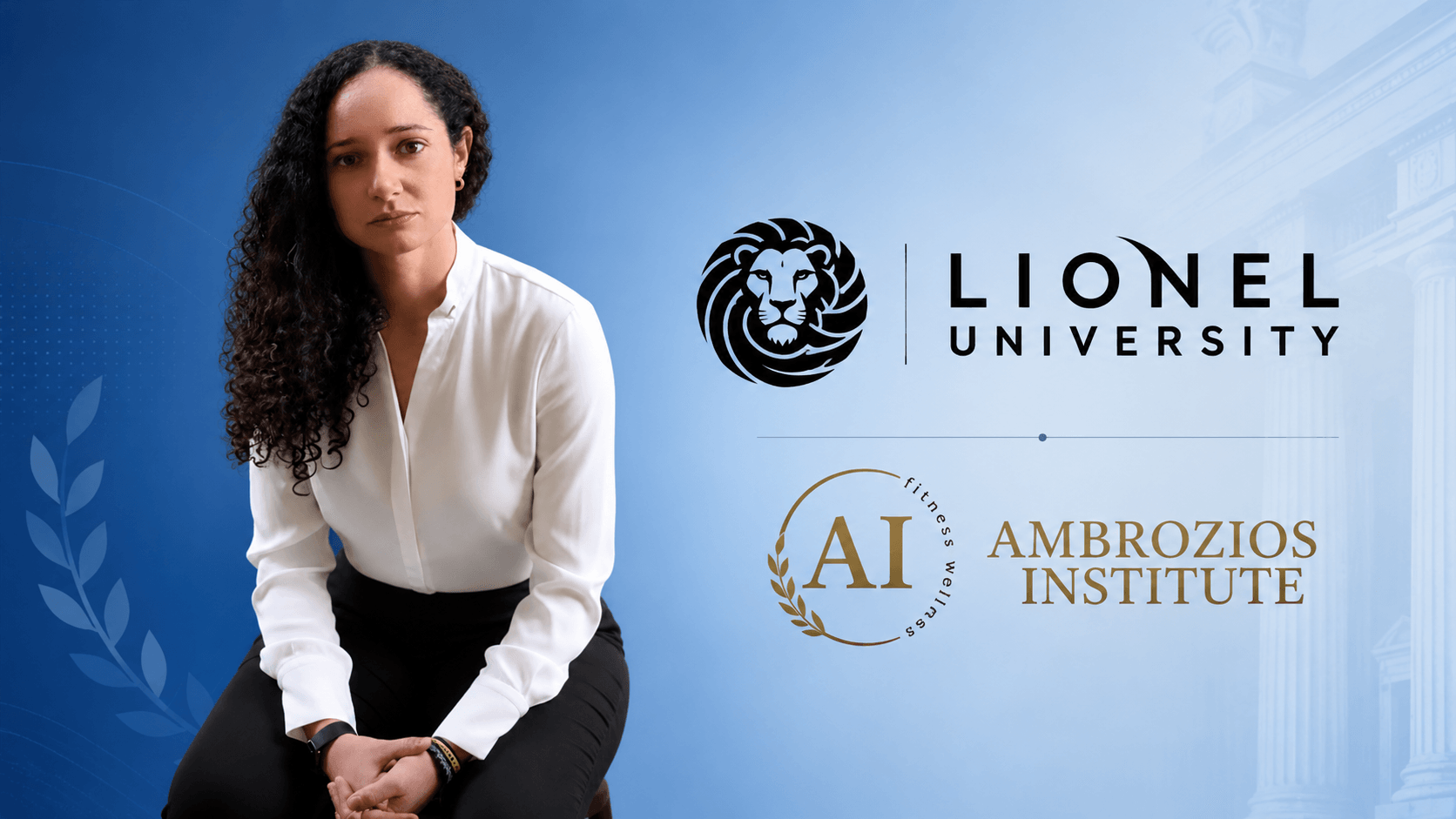
On an episode of The Training Room, brought to you by Lionel University, hosts John Bauer and Dr. Erin Nitschke sat down with Izabelli Ambrozio, CEO and Co-Founder of the Ambrozio Institute, and Thiago Farias to explore the Brazilian fitness industry, career development for fitness professionals, and the growing need to combine technical knowledge with practical business skills.
Their conversation revealed an important idea: knowing exercise science is only one part of building a successful career in fitness. Professionals also need communication, customer service, business, leadership, sales, and career-development skills to turn their knowledge into sustainable opportunities.
The Big Idea
Great fitness professionals need more than technical knowledge. They also need the skills to communicate their value, serve clients, build relationships, and create a sustainable career.
That is one of the gaps the Ambrozio Institute and Lionel University hope to address through education designed to complement a professional's existing fitness knowledge with practical skills that can support career growth.
One of the first themes of the conversation was just how visible fitness is in Brazilian culture.
Ambrozio described exercise, sports, gyms, and physical activity as familiar parts of everyday life. From organized fitness environments to recreational activities at beaches and in communities, movement has a strong cultural presence.
The guests also described Brazil as having a large and rapidly developing fitness market, with significant interest from gym operators, professionals, entrepreneurs, and consumers.
The conversation portrayed Brazilian fitness as something that extends beyond structured workouts. Sports, movement, aesthetics, social connection, and physical activity all contribute to the country's broader fitness identity.
That culture creates opportunities for fitness professionals, but it also creates a competitive environment where education, specialization, communication, and the ability to deliver a strong client experience can help professionals distinguish themselves.
One of the most significant differences discussed during the episode was the educational pathway for fitness professionals in Brazil compared with the United States.
The guests explained that Brazil places a strong emphasis on formal higher education for professionals working in Physical Education and fitness. This can provide professionals with deeper exposure to subjects involving the body, movement, anatomy, physiology, biomechanics, and exercise science.
Education can build technical knowledge. Career development requires learning how to apply that knowledge in the real world.
Thiago emphasized the importance of continuing professional development even after earning an initial qualification. Fitness professionals work in an industry where new research, training methods, technology, client expectations, and business models continue to evolve.
That means education does not necessarily end once someone earns a degree or initial professional credential.
Brazil's fitness culture has long included a strong emphasis on physique and appearance, according to the guests. But they also see the market beginning to evolve.
More consumers and professionals are beginning to think about fitness through a broader lens that includes longevity, functionality, health, quality of life, and mental well-being.
Helping people improve strength, conditioning, movement, and physical capability.
Looking beyond appearance toward habits and physical activity that support overall health.
Preparing professionals to serve an aging population that wants to remain active, capable, and independent.
Recognizing that physical fitness represents only one component of a healthy and fulfilling life.
For fitness professionals, this broader view can mean working with clients who have very different motivations. Some may want performance or physique changes. Others may be focused on maintaining independence, feeling better, staying active, or improving their overall quality of life.
One of the strongest areas of agreement among the guests and hosts was that learning exercise science does not automatically teach someone how to build a fitness career.
A fitness professional might understand anatomy, biomechanics, programming, and training principles yet still feel unprepared when faced with questions such as:
Understanding exercise is essential. But professionals also need to understand people, communication, business, leadership, and the experience they create for their clients.
John Bauer reflected on a similar experience from his own education: college taught him exercise science, but many of the day-to-day skills involved in interacting with clients and operating professionally had to be learned through experience.
Another theme of the discussion was the importance of helping fitness professionals see a broader career landscape.
One-on-one personal training may be an important starting point, but experience and continued education may help professionals explore additional responsibilities throughout the fitness industry.
| Career Area | Skills That May Matter |
|---|---|
| Personal Training | Exercise science, programming, communication, coaching, relationship building, and client service. |
| Fitness Management | Leadership, operations, staff development, customer service, sales, and business management. |
| Entrepreneurship | Pricing, marketing, client acquisition, retention, financial management, and business operations. |
| Customer Experience | Communication, service, problem solving, relationship management, and professional behavior. |
| Leadership | Managing people, communicating expectations, developing teams, and supporting organizational goals. |
Developing those complementary skills can help fitness professionals think beyond their next training session and begin thinking about the larger direction of their careers.
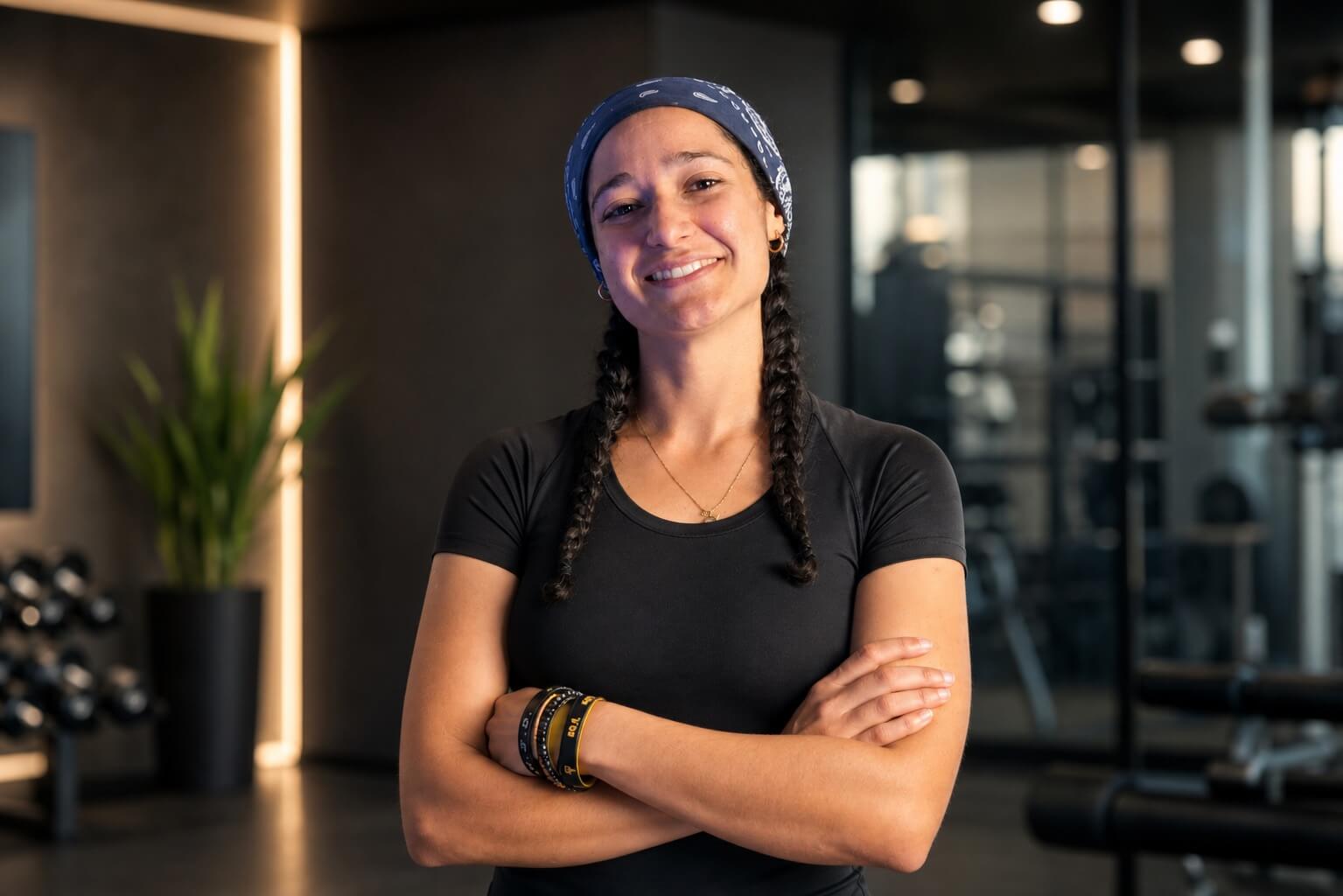
The partnership between Lionel University and the Ambrozio Institute is designed around a shared goal: helping fitness professionals connect education with practical career development.
Ambrozio explained that many Brazilian professionals already possess substantial technical knowledge. The opportunity is to complement that foundation with education in areas that can help professionals navigate the business side of the fitness industry.
During the podcast, the guests discussed areas including fitness sales, facility management, customer service, communication, business development, leadership, and career advancement.
The shared vision is not simply to provide more information. It is to help professionals turn education into practical skills they can apply with clients, employers, teams, and businesses.
That philosophy closely aligns with a broader theme discussed by Bauer and Nitschke at the end of the episode: education becomes especially powerful when professionals can connect what they learn in a classroom with the communication, leadership, and decision-making skills required in real-world environments.
For all the discussion about education, credentials, markets, and business skills, the conversation repeatedly returned to one fundamental idea: successful coaching depends on relationships.
Fitness professionals spend significant time communicating with people, understanding their goals, helping them work through challenges, encouraging consistency, and building trust.
A trainer can understand every exercise in a program and still struggle professionally if clients do not feel heard, respected, supported, or understood.
Exercise science provides the foundation. Communication, empathy, professionalism, and relationship-building help professionals put that knowledge into practice.
The guests described Brazil as having a strong fitness culture with significant interest in gyms, exercise, sports, physique development, and personal training. They also discussed an industry that continues to evolve as consumers become increasingly interested in health, longevity, and overall well-being.
Brazil has a regulated Physical Education profession with formal educational and professional requirements. The podcast highlighted this as one of the major differences between entering the fitness profession in Brazil and entering personal training in the United States.
The conversation emphasized communication, sales, customer service, pricing, relationship building, marketing, leadership, management, client retention, and business operations as important complementary skills for fitness professionals.
Yes. Depending on their education, experience, qualifications, and local requirements, fitness professionals may explore areas such as fitness management, leadership, customer experience, entrepreneurship, business development, and other roles throughout the industry.
The fitness industry continues to change as research, technology, consumer expectations, business models, and training methods evolve. Continuing education can help professionals deepen their knowledge and develop complementary skills throughout their careers.
The partnership focuses on expanding educational and professional-development opportunities for fitness professionals, particularly by connecting technical fitness knowledge with practical areas such as sales, management, customer service, business development, and career growth.
The fitness industry may look different from one country to another, but many of the challenges professionals face are remarkably similar.
How do you turn knowledge into a career? How do you communicate your value? How do you build trust with clients? How do you move from training people to leading teams, managing facilities, or operating a business?
Technical education creates an important foundation, but long-term professional development often requires a much broader collection of skills.
That is where the conversation between Lionel University and the Ambrozio Institute ultimately landed.
Learn the science. Develop the professional skills. Then learn how to put both into practice.
Whether you're beginning your fitness career or looking to build on the experience you already have, Lionel University offers certificate and degree pathways designed for current and future fitness professionals.