

Skip to content
Safer stronger gyms
Risk Management

Risk Management 101: Creating Safe and Secure Fitness Facilities

Matthew Habecker, CMCO

Fitness Business Guide

Risk Management 101: Creating Safe and Secure Fitness Facilities

On This Page

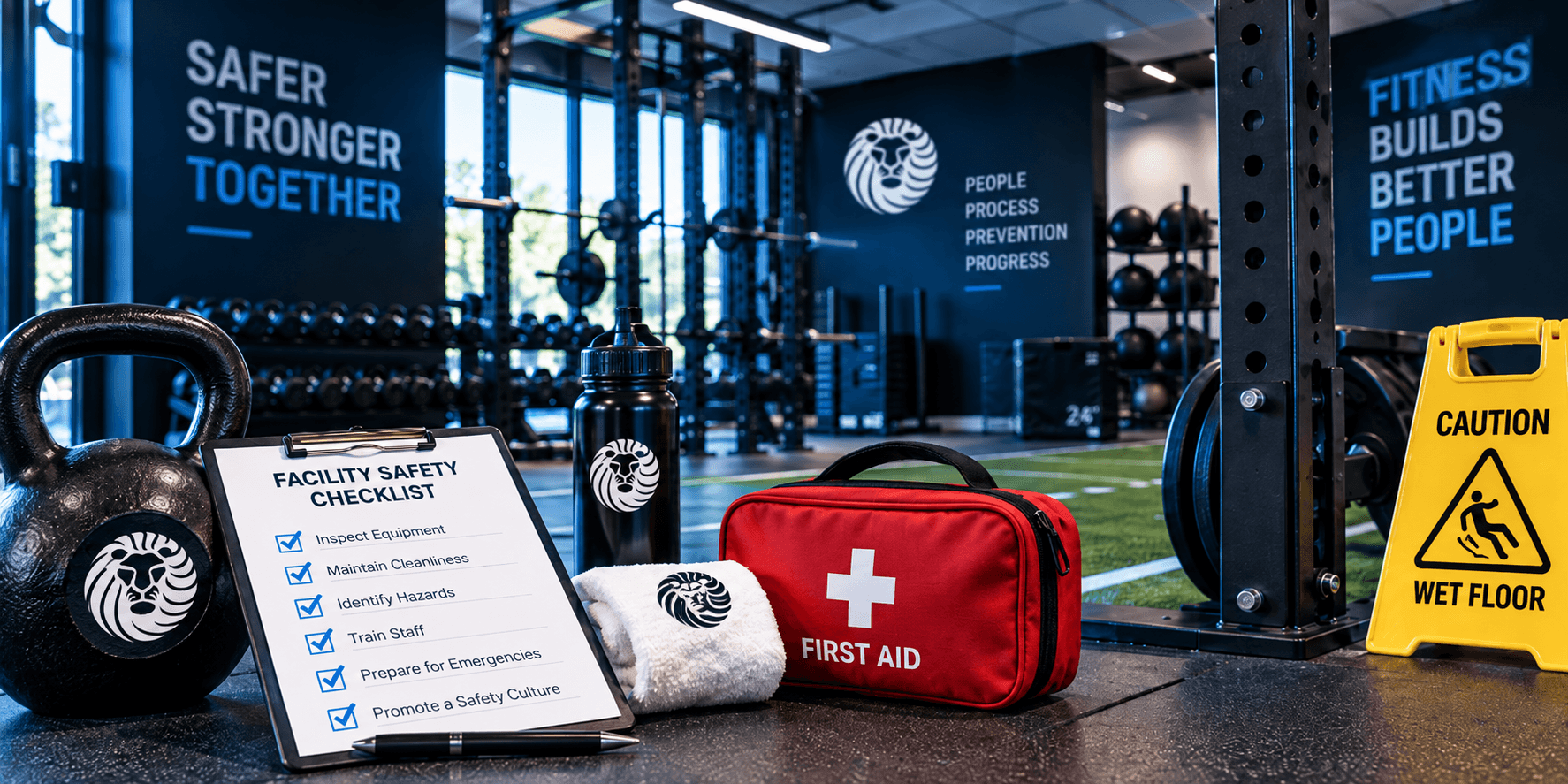
01 Introduction\nIn today’s competitive fitness industry, creating a safe and secure environment is more than a best practice—it’s a necessity. A robust risk management strategy not only protects clients and staff but also enhances the reputation of your fitness facility, ensuring long-term success. In this comprehensive guide, we’ll explore how to identify risks, implement proactive measures, and create a culture of safety that benefits everyone.\n\n## Why Risk Management Matters in Fitness Facilities\n### The Growing Need for Safety\nFitness facilities are bustling spaces where accidents can happen if precautions aren’t taken. Slips, trips, falls, and equipment malfunctions are just a few of the risks. Effective risk management minimizes these dangers, creating a secure space for clients and reducing liability for facility owners.\n\n### Client Trust and Retention\nWhen clients know that their safety is a priority, they’re more likely to stay loyal. Facilities that demonstrate commitment to safety build trust, fostering long-term relationships that contribute to business success.\n\n## Understanding Risks in Fitness Facilities\n### Categories of Risks\n- Physical Hazards: Wet floors, loose weights, and overcrowded workout spaces can lead to injuries.\n- Equipment Malfunctions: Poorly maintained equipment increases the likelihood of accidents.\n- Health Emergencies: Cardiac events, dehydration, and overexertion are common issues in fitness environments.\n- Environmental Risks: Poor air quality, temperature extremes, or inadequate lighting can create unsafe conditions.\n\n### The Consequences of Neglect\nFailing to address these risks can result in accidents, legal action, and damage to your facility’s reputation. A proactive approach is essential to mitigate these outcomes.\n\n## Key Components of a Risk Management Plan\n### 1. Conducting a Risk Assessment\n- Regularly inspect your facility for hazards.\n- Use detailed checklists to ensure no risks are overlooked.\n- Document findings and address issues promptly.\n\n### 2. Developing an Emergency Action Plan (EAP)\n- Create clear protocols for medical emergencies, fires, and other incidents.\n- Train staff in CPR, first aid, and AED usage.\n- Conduct regular drills to ensure readiness.\n\n### 3. Ensuring Legal Compliance\n- Maintain liability waivers for all clients.\n- Follow local, state, and federal regulations, including ADA compliance.\n- Keep thorough documentation of incidents, inspections, and maintenance.\n\n### 4. Staff Training and Education\n- Train staff in safety protocols and emergency response procedures.\n- Provide ongoing education to keep skills sharp and updated.\n- Empower employees to recognize and address potential risks.\n\n### 5. Engaging Clients in Safety Practices\n- Educate clients on proper equipment use and facility rules.\n- Encourage feedback to identify unnoticed risks.\n- Foster a collaborative approach to safety.\n\n## Case Study: The Importance of Prevention\nIn one facility, a client slipped on a wet floor near the showers, resulting in minor injuries. Upon review, the manager identified key areas for improvement, including better signage, more frequent cleaning schedules, and a streamlined incident reporting system. Implementing these changes not only reduced accidents but also improved client satisfaction, highlighting the importance of proactive risk management.\n\n## Integrating Risk Management into Daily Operations\n### Routine Maintenance\nRegularly inspect and repair equipment to prevent malfunctions. This includes replacing worn components and ensuring proper storage of weights and tools.\n\n### Safety Ambassadors\nAssign staff members as safety leaders responsible for monitoring and reporting hazards. This role ensures that safety remains a priority at all times.\n\n### Feedback Loops\nEncourage clients and staff to report hazards or incidents. Use this feedback to refine your safety protocols.\n\n### Leveraging Technology\nUse software to track inspections, monitor equipment, and manage incident reports. IoT sensors can also detect equipment malfunctions or environmental changes.\n\n## Promoting a Culture of Safety\n### Celebrating Safety Milestones\nRecognize achievements like “100 days without an incident” to reinforce positive behavior.\n\n### Ongoing Education\nOffer workshops on lifting techniques, emergency response, and equipment maintenance to keep everyone informed.\n\n### Transparent Communication\nRegularly update staff and clients about safety initiatives through newsletters, emails, or in-facility signage.\n\n## Legal Considerations for Risk Management\n### Liability Waivers\nThese documents protect facilities from certain legal claims by ensuring clients acknowledge inherent risks. Always have waivers reviewed by legal professionals.\n\n### Insurance Policies\nComprehensive coverage for property, liability, and workers’ compensation is essential for financial protection.\n\n### Regulatory Compliance\nEnsure your facility meets ADA standards and other local regulations to avoid penalties and promote inclusivity.\n\n## The Role of Technology in Risk Management\n### IoT Sensors and Environmental Monitoring\nSensors can detect issues like overheating equipment or poor air quality, allowing for immediate action.\n\n### Incident Reporting Software\nThese tools streamline hazard documentation and enable facilities to analyze trends and improve safety protocols.\n\n### Digital Communication Tools\nUse apps and digital signage to communicate updates, such as equipment maintenance schedules or facility rules.\n\n## Reflection and Application\nRisk management is an ongoing process that requires commitment and collaboration. By integrating safety measures into daily operations, providing training, and leveraging technology, fitness facilities can create an environment where clients and staff feel secure. This proactive approach not only prevents accidents but also strengthens trust, loyalty, and the overall success of the business.\n\n## Conclusion\nRisk management is the foundation of a successful fitness facility. By understanding potential hazards, implementing preventive measures, and promoting a culture of safety, you can protect your clients, staff, and reputation. Take action today to build a safer, more secure environment that benefits everyone.

Introduction\nIn today’s competitive fitness industry, creating a safe and secure environment is more than a best practice—it’s a necessity. A robust risk management strategy not only protects clients and staff but also enhances the reputation of your fitness facility, ensuring long-term success. In this comprehensive guide, we’ll explore how to identify risks, implement proactive measures, and create a culture of safety that benefits everyone.\n\n## Why Risk Management Matters in Fitness Facilities\n### The Growing Need for Safety\nFitness facilities are bustling spaces where accidents can happen if precautions aren’t taken. Slips, trips, falls, and equipment malfunctions are just a few of the risks. Effective risk management minimizes these dangers, creating a secure space for clients and reducing liability for facility owners.\n\n### Client Trust and Retention\nWhen clients know that their safety is a priority, they’re more likely to stay loyal. Facilities that demonstrate commitment to safety build trust, fostering long-term relationships that contribute to business success.\n\n## Understanding Risks in Fitness Facilities\n### Categories of Risks\n- Physical Hazards: Wet floors, loose weights, and overcrowded workout spaces can lead to injuries.\n- Equipment Malfunctions: Poorly maintained equipment increases the likelihood of accidents.\n- Health Emergencies: Cardiac events, dehydration, and overexertion are common issues in fitness environments.\n- Environmental Risks: Poor air quality, temperature extremes, or inadequate lighting can create unsafe conditions.\n\n### The Consequences of Neglect\nFailing to address these risks can result in accidents, legal action, and damage to your facility’s reputation. A proactive approach is essential to mitigate these outcomes.\n\n## Key Components of a Risk Management Plan\n### 1. Conducting a Risk Assessment\n- Regularly inspect your facility for hazards.\n- Use detailed checklists to ensure no risks are overlooked.\n- Document findings and address issues promptly.\n\n### 2. Developing an Emergency Action Plan (EAP)\n- Create clear protocols for medical emergencies, fires, and other incidents.\n- Train staff in CPR, first aid, and AED usage.\n- Conduct regular drills to ensure readiness.\n\n### 3. Ensuring Legal Compliance\n- Maintain liability waivers for all clients.\n- Follow local, state, and federal regulations, including ADA compliance.\n- Keep thorough documentation of incidents, inspections, and maintenance.\n\n### 4. Staff Training and Education\n- Train staff in safety protocols and emergency response procedures.\n- Provide ongoing education to keep skills sharp and updated.\n- Empower employees to recognize and address potential risks.\n\n### 5. Engaging Clients in Safety Practices\n- Educate clients on proper equipment use and facility rules.\n- Encourage feedback to identify unnoticed risks.\n- Foster a collaborative approach to safety.\n\n## Case Study: The Importance of Prevention\nIn one facility, a client slipped on a wet floor near the showers, resulting in minor injuries. Upon review, the manager identified key areas for improvement, including better signage, more frequent cleaning schedules, and a streamlined incident reporting system. Implementing these changes not only reduced accidents but also improved client satisfaction, highlighting the importance of proactive risk management.\n\n## Integrating Risk Management into Daily Operations\n### Routine Maintenance\nRegularly inspect and repair equipment to prevent malfunctions. This includes replacing worn components and ensuring proper storage of weights and tools.\n\n### Safety Ambassadors\nAssign staff members as safety leaders responsible for monitoring and reporting hazards. This role ensures that safety remains a priority at all times.\n\n### Feedback Loops\nEncourage clients and staff to report hazards or incidents. Use this feedback to refine your safety protocols.\n\n### Leveraging Technology\nUse software to track inspections, monitor equipment, and manage incident reports. IoT sensors can also detect equipment malfunctions or environmental changes.\n\n## Promoting a Culture of Safety\n### Celebrating Safety Milestones\nRecognize achievements like “100 days without an incident” to reinforce positive behavior.\n\n### Ongoing Education\nOffer workshops on lifting techniques, emergency response, and equipment maintenance to keep everyone informed.\n\n### Transparent Communication\nRegularly update staff and clients about safety initiatives through newsletters, emails, or in-facility signage.\n\n## Legal Considerations for Risk Management\n### Liability Waivers\nThese documents protect facilities from certain legal claims by ensuring clients acknowledge inherent risks. Always have waivers reviewed by legal professionals.\n\n### Insurance Policies\nComprehensive coverage for property, liability, and workers’ compensation is essential for financial protection.\n\n### Regulatory Compliance\nEnsure your facility meets ADA standards and other local regulations to avoid penalties and promote inclusivity.\n\n## The Role of Technology in Risk Management\n### IoT Sensors and Environmental Monitoring\nSensors can detect issues like overheating equipment or poor air quality, allowing for immediate action.\n\n### Incident Reporting Software\nThese tools streamline hazard documentation and enable facilities to analyze trends and improve safety protocols.\n\n### Digital Communication Tools\nUse apps and digital signage to communicate updates, such as equipment maintenance schedules or facility rules.\n\n## Reflection and Application\nRisk management is an ongoing process that requires commitment and collaboration. By integrating safety measures into daily operations, providing training, and leveraging technology, fitness facilities can create an environment where clients and staff feel secure. This proactive approach not only prevents accidents but also strengthens trust, loyalty, and the overall success of the business.\n\n## Conclusion\nRisk management is the foundation of a successful fitness facility. By understanding potential hazards, implementing preventive measures, and promoting a culture of safety, you can protect your clients, staff, and reputation. Take action today to build a safer, more secure environment that benefits everyone.

Build Your Fitness Leadership and Management Knowledge

Strong fitness businesses depend on effective leadership, operations, risk management, and member-focused decision-making.

Explore Lionel University’s exercise science and fitness leadership pathways to continue developing the knowledge needed to lead in today’s fitness industry.
Share this post