Cardiorespiratory Fitness


The human body does many things at the same time.
Your heart beats. Your lungs move air. Your muscles contract. Your brain sends signals. Your hormones help control energy, stress, and recovery.
Most of the time, these systems work together without you thinking about them.
A physiologist studies how these body systems work.
Physiologists help explain how the body functions in health, disease, exercise, recovery, and performance. Some work in hospitals. Others work in research laboratories, sports settings, clinics, universities, or wellness programs.
If you have ever asked, “What is a physiologist?”, this guide will help. You will learn what physiologists do, how they differ from other health professionals, what specialties exist, and how someone can enter this career path.
Quick Answer
A physiologist is a scientist or health professional who studies how living systems work.
In human health, physiologists study how the body’s organs, tissues, cells, and systems function. They may study the heart, lungs, muscles, nerves, hormones, metabolism, or other body systems.
Physiologists may work in research, healthcare, sports performance, exercise physiology, education, or corporate wellness.
Their goal is to understand how the body works and how it responds to stress, illness, exercise, injury, or treatment.
Physiology matters because it explains how the body works.
When the body is healthy, its systems stay balanced. When disease, injury, stress, or aging affects the body, that balance can change.
Physiologists help study those changes.
Doctors and care teams need accurate information about how the body is functioning.
Athletes benefit from understanding how their bodies respond to training, fatigue, and recovery.
New treatments and therapies often begin with understanding how cells, organs, and systems work.
Exercise, sleep, stress, nutrition, and recovery all affect body function.
Physiologists help connect science to real-life health and performance.
A physiologist is a professional who studies how living organisms function.
In human physiology, this means studying how the human body works.
A physiologist may study:
Physiologists ask questions such as:
Physiologists focus on function. They want to know how the body works and why it responds the way it does.
Physiology is based on body systems.
Each system has a job, but no system works alone. The body stays alive because all systems work together.
A key idea in physiology is homeostasis.
Homeostasis means balance inside the body.
Your body works to keep temperature, blood pressure, blood sugar, oxygen, and fluid levels within a safe range.
Example: When you get hot, you sweat. Sweating helps cool the body and return it to balance.
| System | What It Does |
|---|---|
| Cardiovascular System | Moves blood, oxygen, and nutrients. |
| Respiratory System | Brings in oxygen and removes carbon dioxide. |
| Muscular System | Creates movement and force. |
| Nervous System | Sends signals and controls movement. |
| Endocrine System | Uses hormones to control body functions. |
| Digestive System | Breaks down food and absorbs nutrients. |
| Metabolic System | Creates and uses energy. |
| Renal System | Helps control fluids, minerals, and waste. |
A change in one system can affect another system.
Example: If the lungs cannot bring in enough oxygen, the heart may need to work harder. Muscles may also fatigue faster.
Physiologists study these connections.
Physiologists often use a step-by-step process. They study body function, collect data, interpret results, and use that information to support health, research, or performance.
Step 1
First, a physiologist asks a clear question.
Example: Why does this athlete fatigue early during endurance training?
Step 2
Next, they collect information.
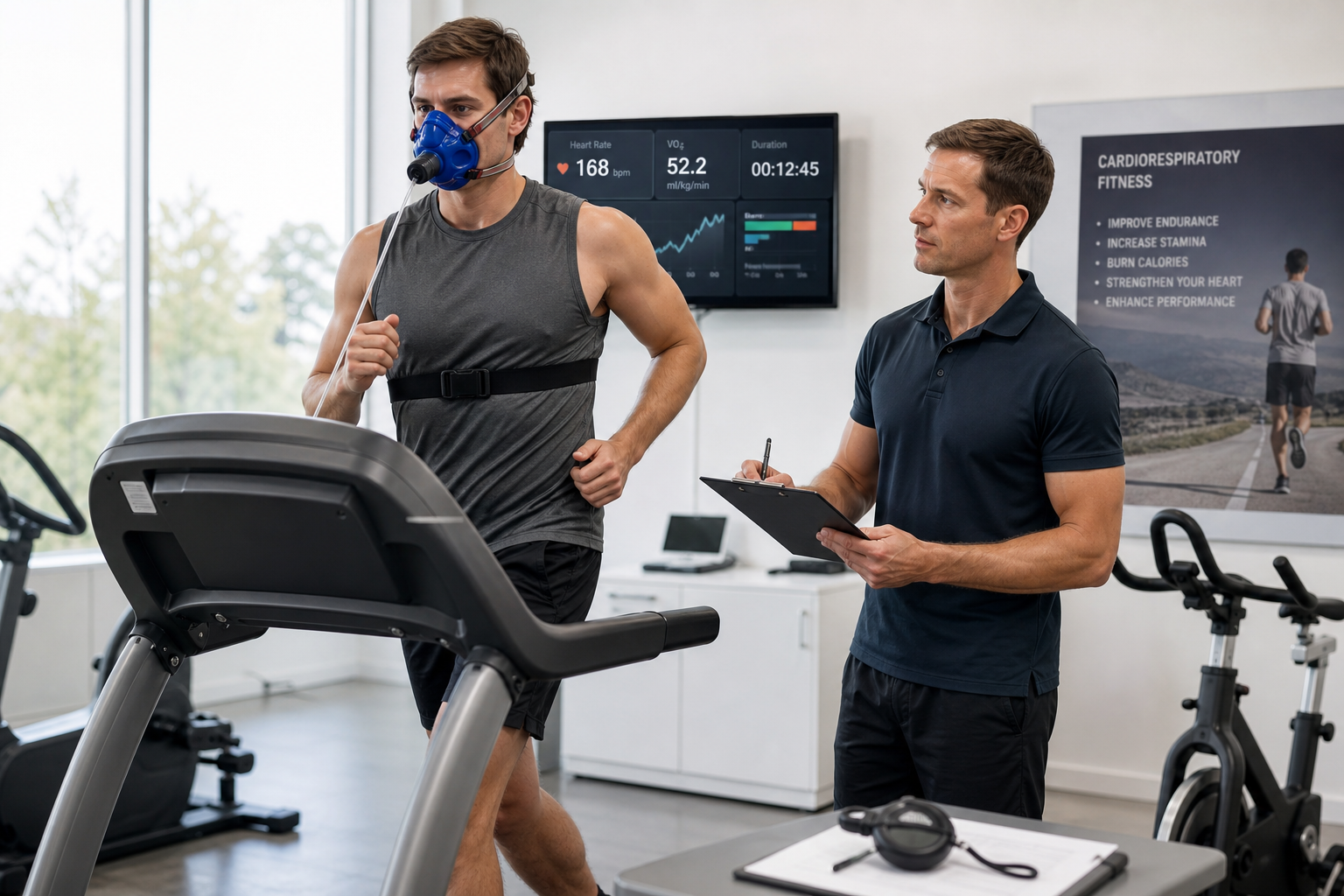
Example: An exercise physiologist may measure VO2 max to see how well the body uses oxygen.
Step 3
The physiologist reviews the results and compares the data with normal ranges, previous results, or performance goals.
Example: If an athlete has a low lactate threshold, they may benefit from specific endurance training.
Step 4
Physiologists translate the results into clear meaning.
Example: A patient may learn that shortness of breath during activity is connected to reduced oxygen use or limited exercise tolerance.
Step 5
Depending on the role, a physiologist may suggest training changes, additional testing, lifestyle changes, or a care plan.
Example: A clinical exercise physiologist may create a safe exercise plan for someone with heart disease.
Physiology is a broad field. Many physiologists specialize in one area.
Studies how the body responds to physical activity and may work in fitness, healthcare, sports, or research.
Works in healthcare settings and may help test, monitor, and study body function in patients.
Studies the heart and blood vessels and may support heart testing, research, or cardiac rehabilitation.
Studies the lungs and breathing, including lung function, oxygen use, and pulmonary rehabilitation.
Studies the brain, nerves, and nervous system in research, testing, or clinical settings.
Studies hormones and their relationship to metabolism, stress, growth, reproduction, and disease.
Applies physiology to athletic performance, endurance, power, recovery, and training response.
An exercise physiologist is one of the most common types of physiologists.
Exercise physiologists study how the body responds to exercise.
They may work with:
In sports, exercise physiologists may help athletes train smarter.
This information can help athletes improve endurance, speed, power, and recovery.
In healthcare, exercise physiologists may help people exercise safely.
The goal is to use exercise in a safe and useful way.
Physiologists can play an important role in healthcare teams.
They may help measure body function, monitor progress, and support treatment decisions.
This information helps healthcare teams understand how the body is working.
They may use testing and exercise plans to support safer activity and better function.
Physiological data can help guide patient care.
Many health careers sound similar. The table below shows how physiologists compare with related roles.
| Career | Main Focus |
|---|---|
| Physiologist | Studies how body systems function. |
| Exercise Physiologist | Studies how exercise affects the body. |
| Medical Doctor | Diagnoses disease and manages medical treatment. |
| Physical Therapist | Treats movement problems and restores function. |
| Personal Trainer | Coaches general fitness and exercise. |
| Kinesiologist | Studies human movement. |
| Sports Scientist | Studies athletic performance and training data. |
Medical doctors diagnose diseases, prescribe medication, order tests, and manage treatment.
Physiologists focus more on body function, testing, monitoring, and research. Doctors may use data from physiologists to make treatment decisions.
Physical therapists help people recover movement and function after injury, surgery, or illness.
Physiologists study internal body responses.
Example: A physical therapist may help someone regain shoulder movement. An exercise physiologist may study how that person’s heart rate and oxygen use respond during exercise.
Personal trainers help mostly healthy clients improve fitness.
Exercise physiologists have more training in body systems, testing, and clinical exercise. Some may work with higher-risk clients or patients.
Kinesiology focuses on movement. Physiology focuses on how the body functions.
The two fields overlap, especially in exercise science and sports performance.
Becoming a physiologist usually takes college education, hands-on experience, and sometimes certification or graduate study.
Step 1
Step 2
These courses help students understand how the body works.
Step 3
Step 4
Step 5
Some roles require advanced education.
A master’s degree or PhD may be needed for research, teaching, or advanced clinical roles. Some exercise physiology positions may also value professional certification.
Students should review the requirements for their chosen career and location.
Physiologists need both science skills and people skills.
Understanding anatomy, physiology, metabolism, and disease processes.
Reading charts, numbers, trends, and laboratory results.
Understanding how one body system may affect another.
Explaining science clearly to patients, athletes, doctors, researchers, or students.
Using testing equipment, monitoring devices, laboratory tools, and data software.
Measuring and recording small changes in body function accurately.
Testing, monitoring, rehabilitation support, and patient education.
Studying disease, exercise, aging, metabolism, and body systems.
Teaching students, conducting research, and supporting laboratory education.
Improving athletic performance, recovery, and training plans.
Supporting employee fitness, ergonomics, wellness education, and prevention programs.
Providing exercise testing, fitness programming, and human performance services.
You may benefit from seeing a physiologist in several situations.
A clinical exercise physiologist may help if you have heart disease, diabetes, high blood pressure, obesity, lung disease, or metabolic syndrome.
They can help you exercise more safely.
After basic recovery, a physiologist may help rebuild endurance, strength, and confidence.
This can be useful after heart surgery, cancer treatment, or long periods of inactivity.
An exercise physiologist may test VO2 max, heart rate zones, lactate threshold, body composition, or exercise tolerance.
Physiological testing may help identify limits in endurance, recovery, or energy systems and guide training changes.
If you are unsure how hard to train, a physiologist can help build a plan that matches your body, health history, and goals.
Doctors diagnose and treat disease. Physiologists study and measure how the body functions.
Many work in laboratories, but physiologists may also work in hospitals, clinics, sports settings, wellness programs, and universities.
Exercise physiologists have deeper training in body systems, testing, and exercise response. Some work with patients and higher-risk populations.
Physiologists can help patients, athletes, active adults, and people who want better fitness data.
Anatomy names body parts. Physiology explains how those parts work.
A physiologist is a scientist or health professional who studies how the body works.
A physiologist studies body function, collects data, runs tests, supports research, and may help healthcare or performance teams understand how the body responds to stress, disease, or exercise.
An exercise physiologist studies how the body responds and adapts to exercise. They may work in healthcare, fitness, sports, wellness, or research.
An exercise physiologist may perform fitness tests, create exercise plans, monitor health markers, support cardiac rehabilitation, help manage chronic disease, or improve athletic performance.
A physical therapist treats movement problems and helps restore function. A physiologist studies internal body function and how systems respond to activity, stress, disease, or treatment.
A medical doctor diagnoses and treats disease. A physiologist studies how the body functions and may provide data that supports care or research.
Physiologists may work in hospitals, clinics, laboratories, universities, sports organizations, wellness programs, or research settings.
The path depends on the specialty. Many roles require a related degree, hands-on experience, and sometimes certification or graduate education.
You may see an exercise physiologist if you have a chronic condition, need a safe exercise plan, are recovering from illness, or want fitness and performance testing.
At Lionel University, students learn how body systems connect to health, movement, performance, and recovery.
Exercise science and human performance education helps students understand the body in a practical way.
As an exercise science educator, I often remind students that physiology is not simply a list of facts. It is the story of how the body works.
For example, when students learn about the heart, we connect it to exercise, recovery, stress, and disease. When they learn about metabolism, we connect it to energy, nutrition, training, and fatigue.
Lionel University helps students build a strong foundation in movement science, exercise physiology, wellness, and career preparation.
The goal is to help students understand the body and use that knowledge to help people move, feel, and live better.
Related Article
Related Article
Related Article
A physiologist studies how the body works.
Physiologists help explain how the heart, lungs, muscles, nerves, hormones, and metabolism work together. Their knowledge can support healthcare, research, sports performance, wellness, and exercise programming.
Some physiologists work in laboratories. Others work with patients, athletes, students, or healthcare teams.
Exercise physiologists are one important type of physiologist. They use movement and exercise testing to help people improve health, recover safely, and perform better.
If you are interested in human health, body systems, movement, or performance, physiology can be a meaningful field to explore.
Lionel University helps students build the foundation needed to understand the body and apply that knowledge in real-world health and performance settings.
View Lionel University Degree and Certificate Programs