Cardiorespiratory Fitness


Exercise physiology is the study of how your body adapts to physical activity. It examines everything from how muscles contract during a squat to how your cardiovascular system responds to a long run.
For aspiring personal trainers and fitness professionals, this knowledge is not optional—it is essential. When you understand the science behind movement, you can explain to clients why their program works, not just what to do next.
This foundation becomes your differentiator in a crowded job market where many trainers rely on memorized routines rather than applied science.
Most reputable fitness certifications test your understanding of anatomy, physiology, and program design. These exams expect you to know how the body produces energy, how muscles grow stronger, and how training variables affect results.
An exercise physiology curriculum gives you this framework before you sit for your certification exam. Rather than cramming isolated facts, you will understand the connections between concepts. This deeper comprehension leads to higher pass rates and better retention of material you will use daily.
Lionel University's certification programs build exercise physiology into the coursework so you graduate exam-ready and job-ready simultaneously.
A quality exercise physiology curriculum includes several core areas. You will study the musculoskeletal system—learning how bones, joints, and muscles work together during movement. Cardiovascular physiology teaches how the heart and blood vessels deliver oxygen during exercise.
You will also explore bioenergetics, the study of how your body produces and uses energy. This knowledge helps you design programs that match a client's goals, whether that is building endurance for a marathon or gaining strength for powerlifting.
Additionally, you will learn about neuromuscular adaptations and how the nervous system recruits muscle fibers during different types of training.
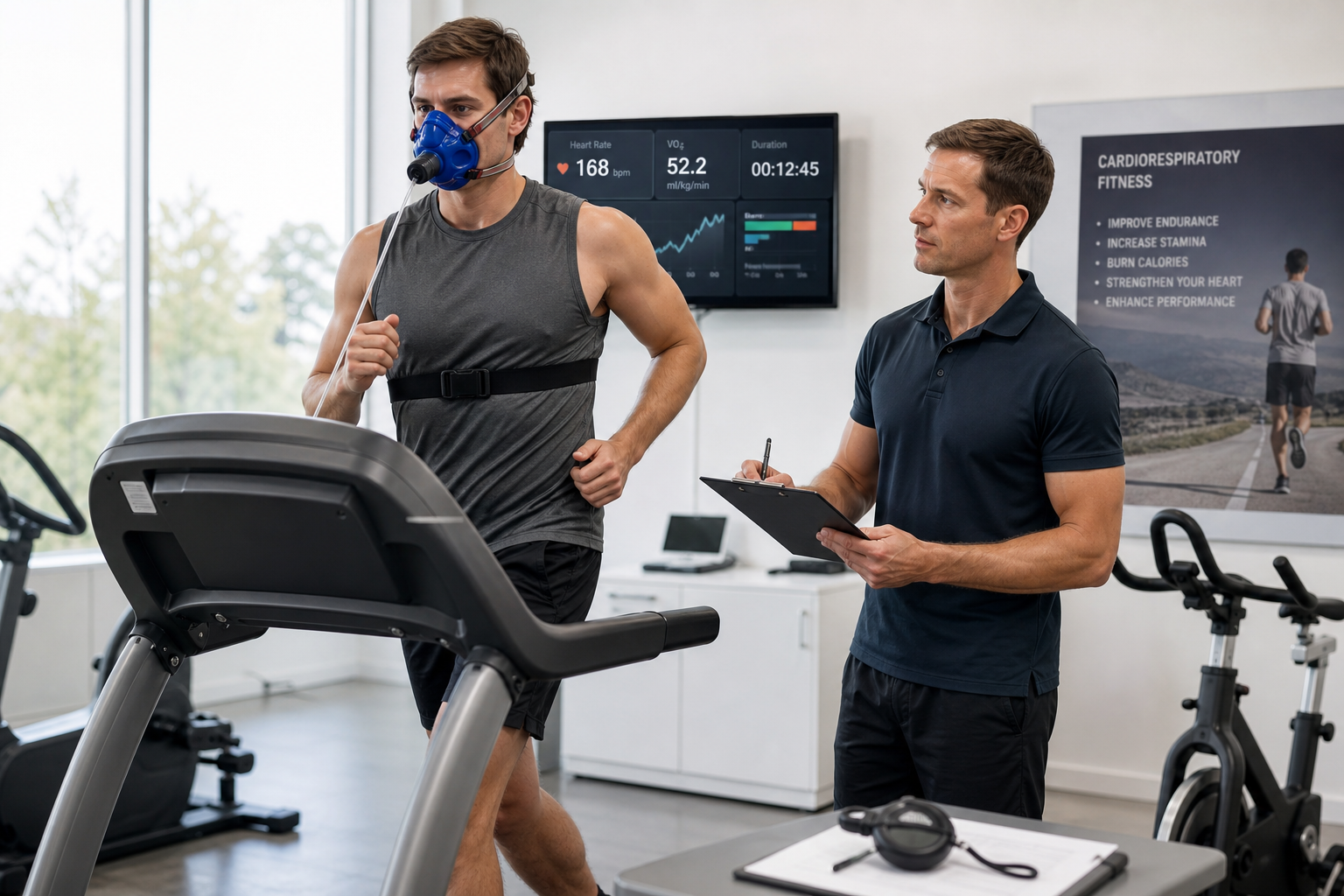
The cardiorespiratory system forms a major component of any exercise physiology program. You will learn how heart rate, stroke volume, and oxygen uptake change during acute exercise and long-term training.
Metabolic pathways represent another focus area. Understanding the phosphagen, glycolytic, and oxidative systems helps you prescribe appropriate work-to-rest ratios for your clients.
Body composition and its relationship to health outcomes also plays a role, teaching you how to assess and monitor changes responsibly.
Clients come to personal trainers with different goals, fitness levels, and health histories. A trainer with exercise physiology knowledge can adapt programs for each individual rather than applying a one-size-fits-all template.
When a client asks why they should rest between sets, you can explain how the phosphagen system replenishes ATP. When someone wants to know why interval training burns fat effectively, you can describe the excess post-exercise oxygen consumption (EPOC) effect.
This ability to educate clients builds trust and improves adherence. Lionel University emphasizes this practical application, ensuring graduates can translate science into client conversations.
Entry-level certification opens doors, but career advancement requires deeper expertise. Employers at corporate wellness facilities, athletic training centers, and clinical rehabilitation settings look for professionals who understand exercise at a physiological level.
With an exercise physiology background, you can pursue roles such as exercise physiologist, strength and conditioning specialist, or wellness program manager. These positions typically offer higher compensation and more professional autonomy.
Stackable education pathways allow you to build from a personal training certification toward an associate or bachelor's degree in exercise science without starting over.
Clinical exercise physiologists work in healthcare settings, designing programs for patients recovering from cardiac events or managing chronic conditions. The Bureau of Labor Statistics projects continued demand for these professionals as preventive health gains emphasis.
Strength and conditioning coaches at collegiate and professional levels apply exercise physiology principles to optimize athletic performance and reduce injury risk.
Corporate wellness directors use this knowledge to create evidence-based programs that improve employee health outcomes and reduce organizational healthcare costs.
Not all programs deliver the same depth. A quality curriculum connects theory to practice through case studies, hands-on labs, and real-world scenarios. You should look for programs where faculty members are working professionals with industry experience.
Lionel University's 100% online format allows working adults to earn their credentials while maintaining employment. With a 13:1 faculty-to-student ratio and instructors averaging more than 15 years of professional experience, students receive personalized attention and mentorship.
Accreditation matters as well. Programs accredited by recognized bodies ensure your education meets industry standards and transfers easily if you pursue advanced degrees.
If you are ready to launch your fitness career on a foundation of science, the first step is selecting an education pathway that matches your goals. Certificate programs offer a faster entry point, while associate and bachelor's degrees build more advanced expertise.
Consider your timeline, learning style, and career aspirations when making this decision. Many aspiring trainers begin with a certificate like the Master Trainer Certificate and stack additional credits toward a degree over time.
Whatever path you choose, prioritizing exercise physiology in your education positions you for lasting success in the fitness industry.
Exercise physiology is more than academic theory—it is the practical knowledge that separates confident, effective trainers from those who simply follow workout templates. When you understand how the body responds to exercise, you can create programs that get results and explain why they work.
For aspiring personal trainers and entry-level fitness professionals, investing in an exercise physiology curriculum is investing in your career longevity. The science you learn today becomes the foundation for every client conversation, program design decision, and career advancement opportunity tomorrow.
Exercise physiology is the science of how your body responds to physical activity. It covers how muscles, the heart, lungs, and energy systems work together during exercise.
This knowledge helps fitness professionals understand why certain training methods work and how to adapt programs for different individuals.
You do not need a full degree to start as a personal trainer, but understanding exercise physiology gives you a significant advantage. Lionel University offers certificate programs that include exercise physiology fundamentals, allowing you to earn credentials faster while building essential knowledge.
Exercise physiology is a subset of the broader field of exercise science. While exercise science includes topics like biomechanics, nutrition, and psychology, exercise physiology focuses specifically on physiological responses and adaptations to physical activity.
Professionals with exercise physiology training work as personal trainers, clinical exercise physiologists, strength coaches, and wellness program managers. Lionel University prepares graduates for these roles through practical coursework and industry-aligned certifications.
Timeline varies based on your chosen pathway. Certificate programs can be completed in months, while bachelor's degrees typically take four years. Lionel University's stackable programs let you progress at your own pace while earning credentials along the way.
Understanding how the body responds to exercise helps you recognize warning signs, modify movements appropriately, and design programs that match a client's current fitness level. This knowledge reduces injury risk and builds client confidence in your expertise.