
Business
Podcast
Exercise Science
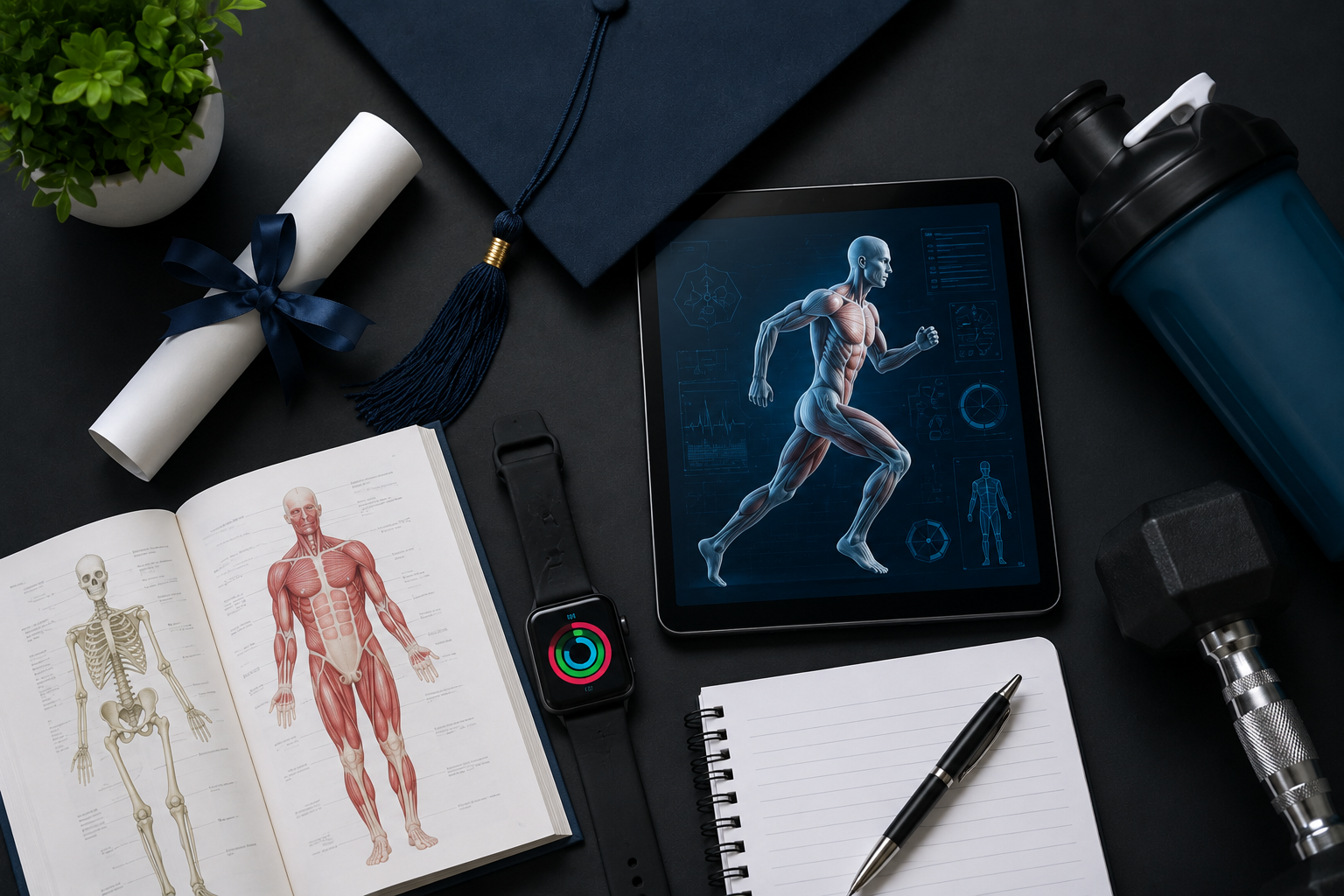

The health, fitness, and wellness industries are evolving rapidly. Today’s employers are looking for professionals who possess more than a personal training certification or a passion for fitness. They want candidates with scientific knowledge, critical thinking skills, and the ability to apply evidence-based strategies across a wide range of health and performance settings.
That is why more aspiring fitness professionals are pursuing exercise science degrees. These programs provide a deeper understanding of human movement, physiology, biomechanics, health promotion, and performance optimization while opening doors to a broader range of career opportunities.
Whether you are interested in becoming a personal trainer, corporate wellness specialist, strength and conditioning coach, exercise physiologist, or healthcare professional, choosing the right degree can significantly influence your long-term career growth.
This guide will help you compare accredited exercise science degrees, understand their value in today’s job market, and determine which educational pathway aligns best with your career goals.
Quick Answer
Exercise science degrees provide one of the most versatile educational foundations for careers in fitness, wellness, healthcare, and human performance.
The best degree option depends on your professional goals, preferred work setting, and desired level of career mobility.
| Degree Level | Best For | Career Mobility |
|---|---|---|
| Associate Degree | Entry-level fitness and wellness careers | Moderate |
| Bachelor’s Degree | Professional fitness, wellness, and performance careers | High |
| Master’s Degree | Leadership, specialized roles, and advanced practice | Very High |
For many aspiring fitness professionals, an accredited bachelor’s degree in exercise science offers a strong balance of career flexibility, earning potential, and long-term advancement opportunities.
The fitness industry has become increasingly competitive. Employers are seeking professionals who understand not only how to coach clients but also why specific training methods work.
Many leadership positions prefer candidates with formal education in exercise science, kinesiology, health promotion, or a related discipline.
Employers are investing in wellness initiatives and need professionals who understand behavior change, health promotion, and workplace wellness.
Exercise professionals increasingly collaborate with physicians, physical therapists, athletic trainers, and other healthcare professionals.
A degree can provide broader career mobility than certifications alone, with pathways across fitness, healthcare, education, wellness, and business.
An exercise science degree is an academic program focused on the scientific study of human movement, physical activity, exercise performance, and health.
Students learn how the body responds and adapts to exercise while developing practical skills that can be applied across numerous professions.
Exercise science combines concepts from biology, physiology, psychology, biomechanics, public health, and performance science.
The result is a multidisciplinary education that can prepare graduates for a wide range of careers and advanced educational pathways.
Effective exercise programs are built on scientific principles rather than temporary fitness trends. Exercise science education helps students understand how to evaluate evidence and apply it in professional settings.
Exercise physiology examines how the cardiovascular, muscular, nervous, and metabolic systems respond and adapt to physical activity.
Students may study:
Biomechanics focuses on movement efficiency, force production, and the interaction between the body and its environment.
Understanding biomechanics can help professionals:
Many clients struggle with consistency rather than a lack of information. Exercise science programs may include behavior change strategies that help professionals improve adherence and support long-term outcomes.
Students learn to evaluate research and apply scientific findings to real-world situations. This skill becomes increasingly important as new fitness methods, technologies, and trends emerge.
Evidence-based practice combines research, professional judgment, and the needs of the individual rather than relying on trends alone.
Best for:
An associate degree introduces students to foundational exercise science concepts while preparing them for entry-level positions in fitness and wellness.
Students interested in beginning their educational journey can explore Lionel University’s Associate of Science in Exercise Science.
Best for:
A bachelor’s degree is often considered the industry standard for many professional fitness, health, wellness, and performance roles.
For many aspiring professionals, a bachelor’s degree in exercise science represents a valuable long-term educational investment.
Best for:
Graduate education allows students to develop deeper expertise in specialized areas of human performance, exercise physiology, wellness, leadership, and health.
Explore Lionel University’s master’s programs in exercise science.
One of the greatest benefits of exercise science education is flexibility. Unlike narrowly focused programs, exercise science can support opportunities across multiple industries.
Exercise science graduates commonly work as personal trainers, fitness managers, group fitness directors, wellness coaches, and program coordinators.
Some graduates continue their education through physical therapy, occupational therapy, athletic training, physician assistant, or related healthcare programs.
Important: Healthcare professions may require additional prerequisite coursework, graduate education, certification, supervised experience, or state licensure.
Corporate wellness has become an important career path as organizations invest in employee health and well-being.
Wellness programs may be designed to support:
Employers may seek professionals who understand health promotion, program design, behavior change, communication, and workplace wellness strategy.
Athletic organizations rely on exercise science professionals to improve performance while managing workload, recovery, and injury risk.
Step 1
Start by identifying the type of work you hope to pursue.
Step 2
Accreditation helps demonstrate that an institution meets established academic quality standards.
Review institutional accreditation, program reputation, faculty qualifications, and available graduate or career outcomes.
Step 3
Strong programs should include foundational and applied coursework in exercise physiology, anatomy, biomechanics, health promotion, and research methods.
Step 4
Many students balance school with work, family, military service, coaching, or other responsibilities. Online and hybrid options can increase accessibility while supporting continued professional development.
Step 5
Choose an educational pathway that supports not only your first job but also future advancement, specialization, leadership, and graduate study.
Exercise science professionals may help clients improve fitness, weight management, health habits, chronic disease risk factors, and quality of life.
Professionals design workplace wellness initiatives that encourage healthier behaviors and improve employee engagement.
Exercise specialists may work alongside healthcare providers to support long-term strength, mobility, endurance, and function.
Athletes rely on scientifically informed training programs to improve strength, power, speed, endurance, and recovery.
Military personnel, firefighters, and law enforcement officers may work with exercise professionals to support job readiness and physical performance.
Exercise science degrees can support numerous professional pathways. Education requirements may vary by employer, certification, specialty, and location.
| Career | Recommended Degree Level |
|---|---|
| Personal Trainer | Associate or bachelor’s |
| Wellness Coordinator | Bachelor’s |
| Corporate Wellness Specialist | Bachelor’s |
| Exercise Physiologist | Bachelor’s or master’s |
| Strength and Conditioning Coach | Bachelor’s |
| Fitness Director | Bachelor’s or master’s |
| Sports Scientist | Master’s |
| Graduate Healthcare Programs | Bachelor’s plus program prerequisites |
Certifications can help launch a career, but some employers increasingly value formal education, especially for leadership, wellness, performance, and specialized roles.
Exercise science graduates may work in healthcare preparation, wellness, education, research, technology, corporate fitness, and sports performance.
Organizations continue to invest in employee health, well-being, engagement, and workplace culture, creating opportunities for qualified wellness professionals.
Many professionals build rewarding careers with a bachelor’s degree, relevant certifications, practical experience, and professional networking.
For individuals pursuing long-term careers in fitness, wellness, healthcare preparation, or human performance, exercise science degrees can provide strong career flexibility, scientific knowledge, and professional growth potential.
Common roles include personal trainer, wellness coordinator, exercise physiologist, strength and conditioning coach, fitness director, and corporate wellness specialist.
Accredited online programs can be respected by employers and graduate schools. Students should review institutional accreditation, curriculum quality, faculty experience, student support, and any hands-on requirements.
Exercise science often focuses more specifically on exercise physiology, fitness, health, testing, and performance. Kinesiology may encompass a broader study of human movement.
Yes. Many graduates use exercise science as preparation for physical therapy, occupational therapy, athletic training, physician assistant programs, and related healthcare pathways.
For many professionals, a bachelor’s degree offers a strong balance of career flexibility, professional opportunity, graduate school preparation, and long-term value.
Yes. Accreditation helps demonstrate institutional quality and may affect credit transfer, employer recognition, financial aid eligibility, and admission to graduate programs.
Yes. Exercise science can prepare students for corporate wellness roles involving health promotion, fitness programming, employee engagement, program coordination, and behavior change.
At Lionel University, students develop the scientific knowledge and practical skills needed to grow across today’s evolving fitness, health, wellness, and performance industries.
The curriculum is designed to support both immediate career readiness and long-term professional advancement. Students can begin with the Associate of Science in Exercise Science, continue through a bachelor’s degree, and pursue advanced graduate education based on their goals.
Lionel University’s programs emphasize:
Whether students aspire to work in fitness, healthcare preparation, sports performance, wellness, or leadership, Lionel’s flexible academic pathways provide a strong foundation for continued growth.
Explore Lionel University’s degree and certificate pathways in exercise science, fitness, health, and human performance.
Explore ProgramsChoosing among today’s exercise science degrees is about more than selecting a major. It is about investing in your future career mobility.
As the health, fitness, and wellness industries evolve, employers increasingly seek professionals who combine scientific knowledge with practical skills.
Whether your goal is personal training, corporate wellness, sports performance, healthcare preparation, entrepreneurship, or leadership, an accredited exercise science degree can provide the foundation needed to adapt, advance, and thrive throughout your career.
Explore Lionel University programs