The science-to-practice pipeline: how new research transforms fitness
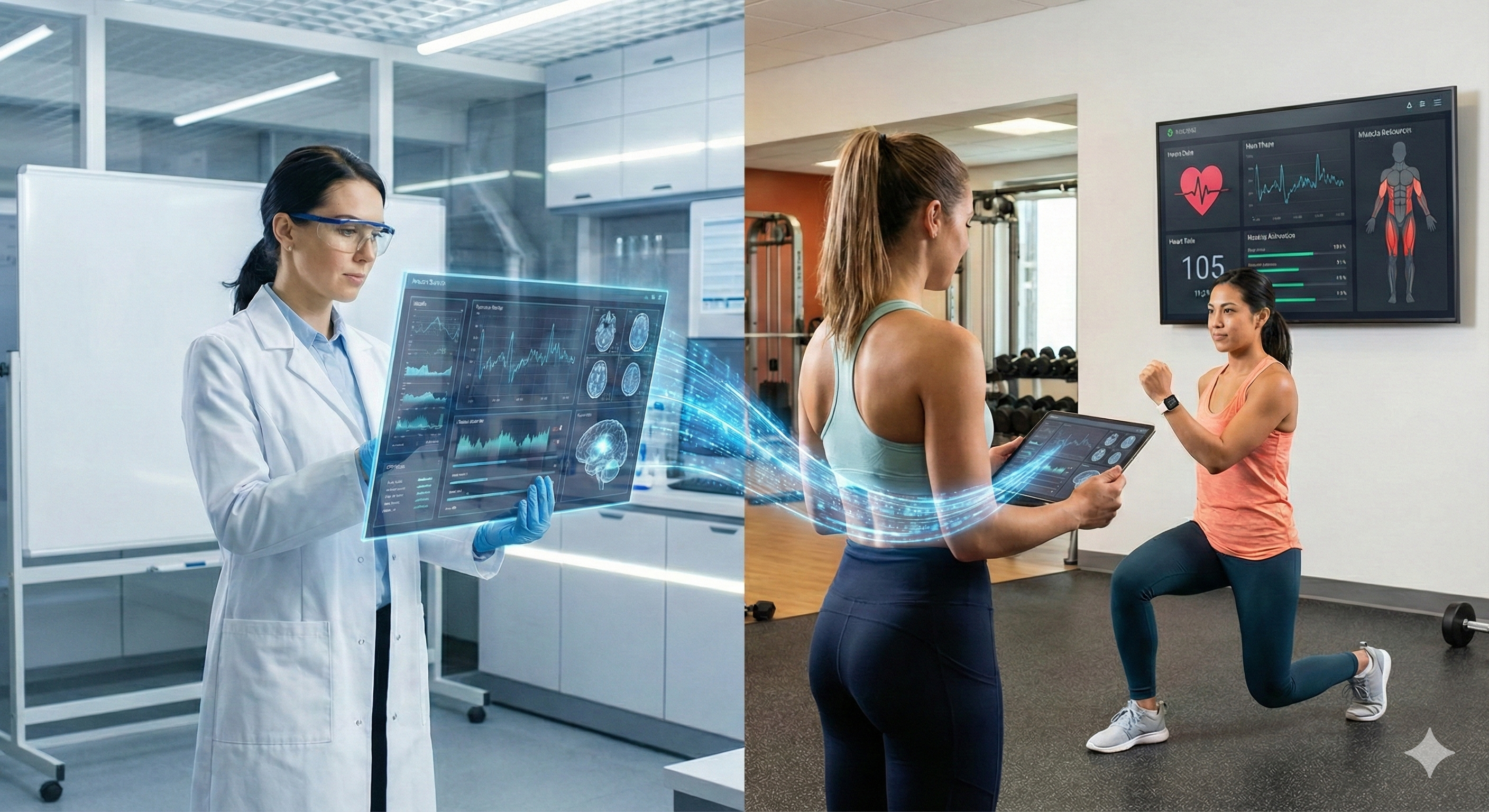
Exercise science today stands at the intersection of academic rigor and everyday fitness practice. Over the past decade, rapid advances in technology, behavioral psychology, and clinical research have driven an unprecedented translation of discoveries from research labs into gyms and living rooms worldwide. These trends are redefining career trajectories for those entering or advancing in fitness, coaching, rehabilitation, and related fields. For students and professionals seeking to stay ahead, understanding what’s current matters. For instance, the American College of Sports Medicine’s longtime annual survey of fitness trends predicts which technologies, methodologies, and population needs are likely to shape the industry. Wearable technology, AI-driven fitness tools, hybrid/online coaching, and the integration of mental health into programming all feature prominently in recent reports, such as ACSM Fitness Trends and Trends in Exercise Science. Emphasizing the synthesis of research and practice positions Lionel University as a leader in preparing graduates for the realities of modern fitness careers.
How technology, mental health, and data-driven insights are shaping training
Emerging technology and data analytics have revolutionized how fitness professionals craft training programs. Wearable devices, mobile apps, and cloud-based monitoring platforms now offer trainers and clients a powerful suite of tools for tracking biometrics, exercise volume, and even recovery status. These devices are not merely for convenience; they empower individualized, real-time coaching based on empirical evidence. This evolution in data-driven insights means exercise science graduates must be well-versed in both interpreting and applying such information to meet diverse client needs. Alongside hardware advances, behavioral and psychological research is reshaping the fitness landscape. Mental wellness initiatives are being integrated into training plans, recognizing the links between motivation, stress management, and performance. Personalized coaching not only relies on physiological metrics but also incorporates cognitive and emotional health metrics, improving program adherence and client satisfaction. Hybrid training models—blending in-person, online, and app-based instruction—are growing. These trends demand agility, digital literacy, and interdisciplinary knowledge.
From lab discoveries to real-world, accessible fitness benefits
The rapid translation of novel research into mainstream practice is a hallmark of exercise science today. Evidence once confined to academic journals now informs the daily work of coaches, trainers, and wellness professionals globally. For example, blood flow restriction training, electromyostimulation, and advanced recovery modalities have become accessible to the public and are widely discussed in clinical and commercial fitness settings. Peer-reviewed analyses, such as those from the National Institutes of Health, regularly highlight these methods: see PMCID: PMC9265872. Moreover, the industry’s focus has expanded from the fit, young athlete stereotype—prioritizing programs and technology that support healthy aging, chronic disease prevention, and improved quality of life for all demographics. Initiatives centered on inclusivity, such as group training for older adults or adapted fitness for special populations, draw directly on exercise science findings and intervention studies. Lastly, the integration of real-time feedback from wearable technology and remote sensing devices bridges the gap between laboratory discovery and everyday application, making expert-level coaching and progress tracking available to nearly everyone.
Lionel University’s Bachelor’s Degree in Exercise Science is designed to help future coaches, trainers, and wellness professionals turn cutting-edge research into practical, impactful strategies for the people they serve.


.png?width=48&height=48&name=ig%20profille%20pic%20seal%20(1).png)