

Testimonials
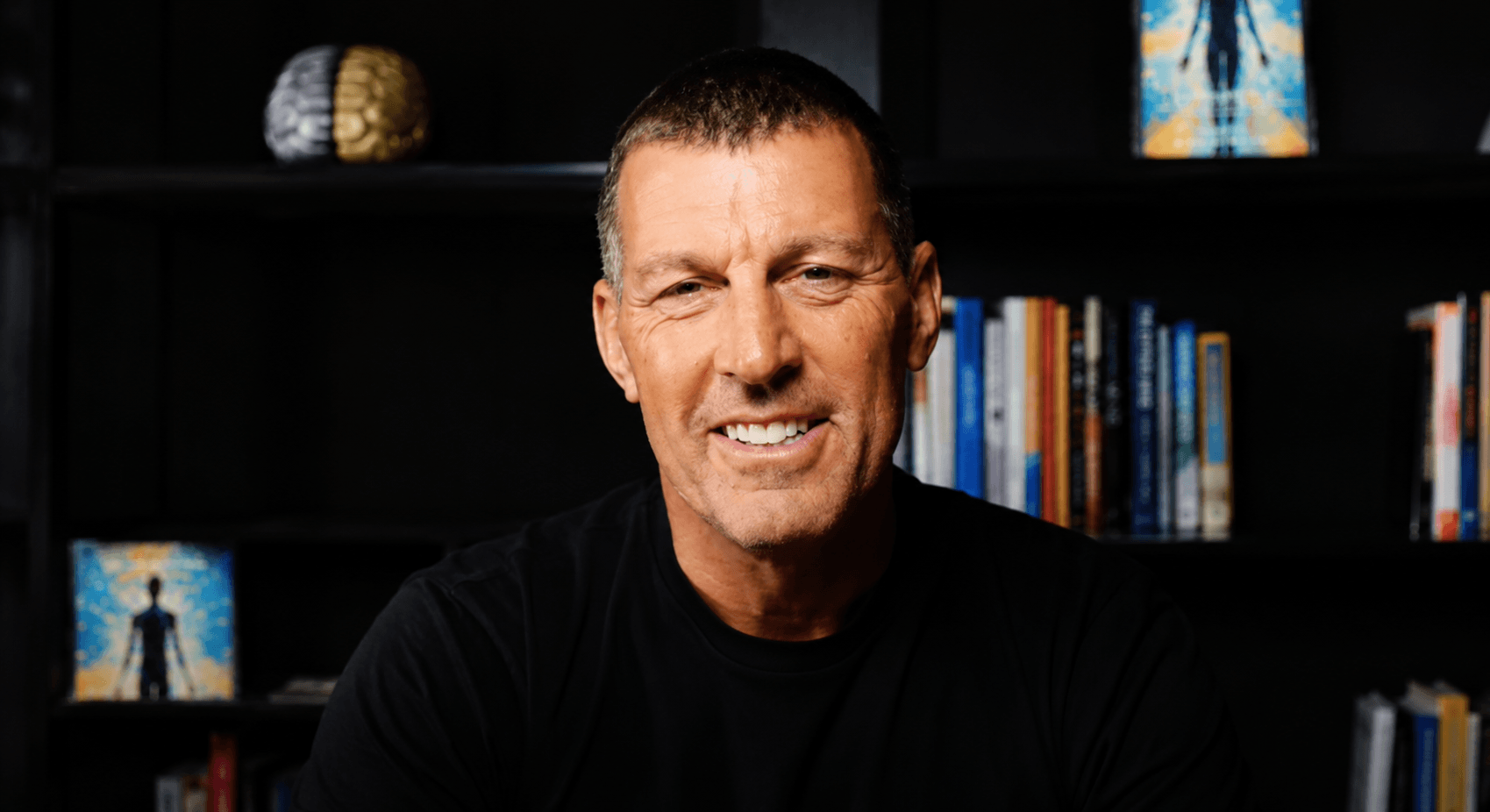

Fitness is often measured in strength, speed, endurance, body composition, or performance. But in a conversation on The Training Room podcast, Dan Metcalfe, founder of Born Superhuman, reminded listeners that human potential goes far beyond physical metrics.
Dan’s story includes elite performance, catastrophic injury, paralysis, brain trauma, recovery, coaching, and a deep study of how the brain shapes movement, belief, balance, and achievement. His message for fitness professionals is clear: the body matters, but the brain may be the most important performance tool we have.
Quick Answer
Dan Metcalfe’s message is that performance, healing, balance, and transformation are not only physical. They are deeply connected to mindset, belief, brain-body communication, movement confidence, and the willingness to pursue bigger goals.
For personal trainers, coaches, and exercise science students, his story highlights the importance of training both the body and the brain so clients can move better, think bigger, rebuild confidence, and pursue a stronger version of themselves.
Dan Metcalfe is the founder of Born Superhuman, a speaker, author, coach, and performance educator. His background spans soccer, football, Royal Marine Cadets training, professional dance, theater, Olympic-level coaching, endurance racing, sports performance, and fitness entrepreneurship.
His life changed dramatically after a stage accident fractured his spine and left him paralyzed. Later, in 2018, he experienced a major brain injury after a metal gate bolt struck his head during a bike ride. He had to relearn how to speak and function, while also dealing with weight gain, depression, PTSD, and concussion-related challenges.
Rather than allowing those moments to define him as a statistic, Dan used them as a catalyst to study the brain, movement, healing, mindset, and the connection between neurological function and physical performance.
Dan performed professionally in major stage productions before injury changed the direction of his life.
His coaching background includes sports performance, Olympic program work, youth coaching, and personal training.
His current work focuses on mindset, balance, brain-body connection, and helping people unlock more of their potential.
For Dan, “born superhuman” does not mean a person is invincible or perfect. It means people are born with more ability, resilience, and potential than they often realize.
He described it as the ability to overcome obstacles that seem impossible. Those obstacles may be physical, psychological, biological, neurological, or emotional. The idea is not that life will be easy. The idea is that humans often have untapped strength that only appears when they are challenged.
People often wait until a crisis to discover what they are capable of. Dan’s work challenges people to tap into that potential before they reach “ground zero.”
One of the strongest themes in the conversation was mindset. Dan explained that performance is not just about physical training. Physical preparation matters, but when it is time to perform, the mind determines whether a person can access the training they have done.
He used athletic examples to explain how a shift in focus can change performance in an instant. A competitor who relaxes before the finish line may lose. An athlete who becomes distracted by spectators may lose confidence. A person who expects pain or fear may slow down before the body has truly reached its limit.
Dan also challenged the word “hope” when it comes to personal goals. In his view, hope can become passive. Belief is more active. Belief pushes a person toward action, commitment, and preparation.
| Concept | How Dan Framed It |
|---|---|
| Brain | The power source that drives thought, movement, and performance. |
| Mindset | The potential that shapes how a person approaches challenges. |
| Character | The deciding factor that determines whether a person follows through. |
| Belief | An actionable force that helps people commit to growth and performance. |
Dan is especially passionate about balance. But he does not define balance as simply standing still on one leg. He views balance as the ability to control the body through movement, changing environments, fear, reaction, and real-life situations.
He explained the difference between static balance and dynamic balance. Static balance is the ability to stay still in one position. Dynamic balance is the ability to remain controlled while moving. For real life, sport, aging, and fall prevention, dynamic balance may be the more important skill.
| Type of Balance | What It Means |
|---|---|
| Static Balance | Holding a position, such as standing on one leg without moving. |
| Dynamic Balance | Maintaining control while walking, running, climbing, reacting, changing direction, or recovering from instability. |
This matters for older adults, athletes, stroke survivors, people with neurological conditions, and anyone who wants to move with confidence. Dan emphasized that balance is not only about muscles. It is about the brain-body connection that allows the body to react, adapt, and move safely.
Dan closed the conversation with a powerful reminder: aging can be accelerated by the excessive pursuit of sedentary comfort. Comfort is not bad, but movement, challenge, and recovery must stay part of life.
Dan’s message has major implications for personal trainers, strength coaches, wellness professionals, and exercise science students. If movement is shaped by the brain, then fitness coaching cannot be only about sets, reps, exercises, and muscles.
Trainers can help clients improve outcomes by understanding fear, belief, confidence, goal-setting, neurological patterns, and the emotional meaning behind movement. This does not mean trainers should work outside their scope. It means they can become better coaches by understanding the whole person in front of them.
Clients may avoid movement because they fear pain, falling, injury, or failure. Confidence must be rebuilt progressively.
Movement quality improves when clients learn how to focus, feel, react, and control the body with intention.
Clients often arrive with small goals. Coaches can help them reconnect with bigger dreams that make the work more meaningful.
One of the most practical coaching lessons from Dan’s interview was about goal setting. He challenged trainers to ask clients about their biggest dream, not only their basic goal.
A client may say they want to walk around the block. That is a meaningful goal. But Dan encourages coaches to go deeper. Maybe the real dream is walking on the beach again, hiking a mountain, playing with grandchildren, returning to a sport, or feeling confident in public.
The bigger dream gives the client emotional fuel. The practical milestones still matter, but they become part of a more inspiring journey.
| Basic Goal | Bigger Dream |
|---|---|
| Walk around the block | Walk on the beach, hike a trail, or travel with confidence. |
| Lose weight | Feel strong, energetic, and confident in daily life. |
| Improve balance | Move without fear, play with family, or return to meaningful activities. |
Dan Metcalfe is the founder of Born Superhuman, a speaker, author, coach, and performance educator focused on mindset, balance, human potential, and brain-body connection.
Born Superhuman means people have more strength, resilience, and potential than they often realize. Dan uses the phrase to describe the ability to overcome obstacles that may seem impossible.
Mindset affects how people approach effort, pain, confidence, fear, focus, and performance. Physical training matters, but mindset influences whether a person can access that training when it counts.
Balance supports movement confidence, fall prevention, independence, athletic performance, and daily function. Dan emphasizes dynamic balance, which involves controlling the body while moving.
Personal trainers can use these ideas by helping clients build confidence, practice intentional movement, set bigger goals, improve balance, and understand the connection between the brain and the body.
Lionel University’s exercise science programs help students study how the body moves, adapts, strengthens, recovers, and performs. Dan Metcalfe’s conversation reinforces why that education should also include a deeper appreciation for mindset, coaching, communication, confidence, and human potential.
Great fitness professionals do more than count reps. They help people rebuild belief, move with purpose, pursue meaningful goals, and create better lives through movement.
Dan Metcalfe’s story is a powerful reminder that the human body and brain are capable of more than many people believe. His work challenges fitness professionals to think beyond traditional training and consider how mindset, balance, belief, and brain-body connection shape performance and transformation.
For trainers, coaches, and exercise science students, the lesson is clear: help people move better, but also help them think bigger. The strongest version of a client may begin with a stronger belief in what is possible.
View Degree and Certificate Programs