
Fitness Management
Nutrition Science
Why Do Young Athletes Collapse? Unpacking the Causes and What You Can Do to Prevent It
.png?width=48&height=48&name=ig%20profille%20pic%20seal%20(1).png)
Lionel Staff
Introduction: A Disturbing Reality in Sports
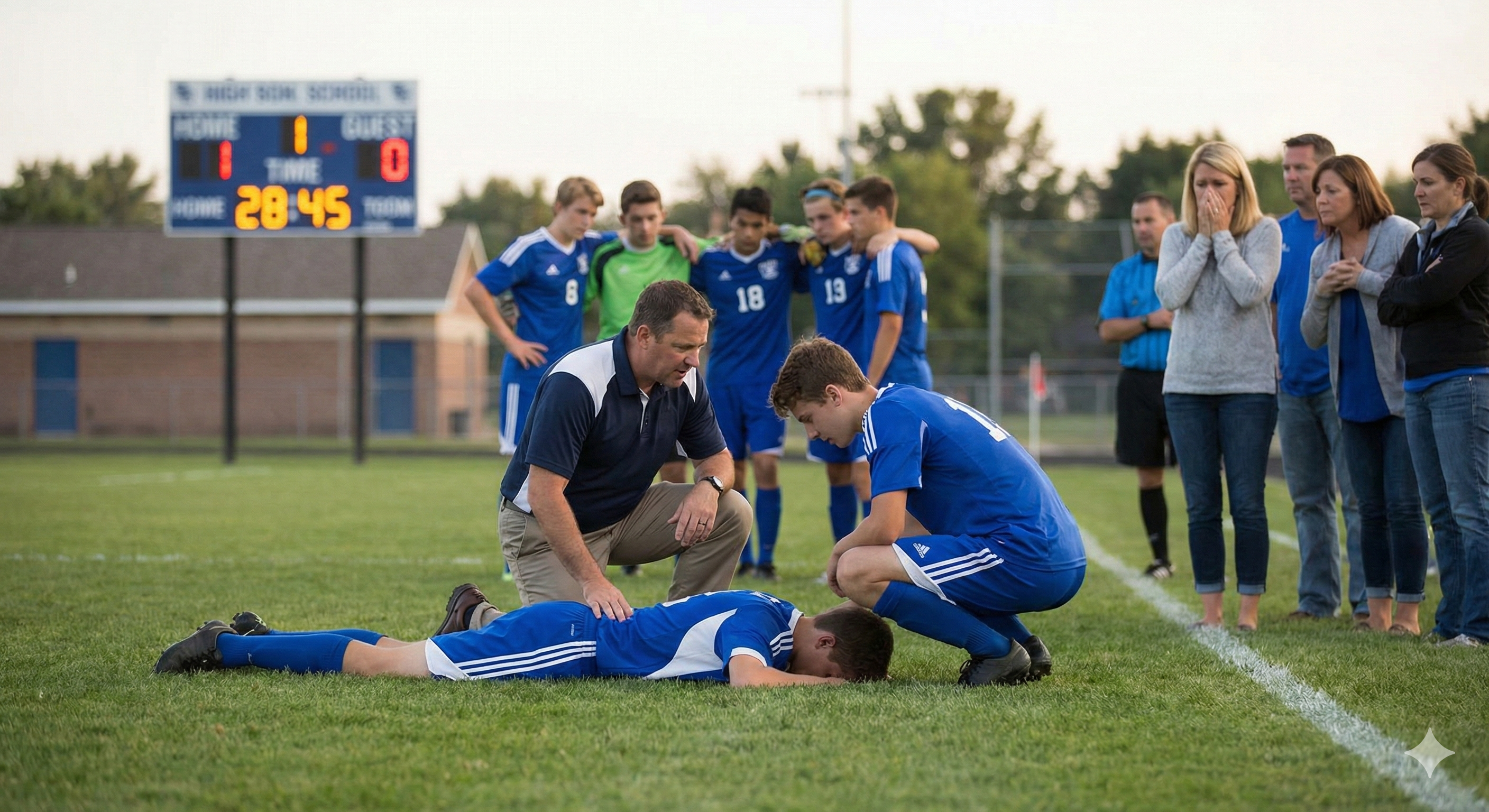
Every year, athletes around the world collapse suddenly during games, practices, or intense competitions. This alarming event raises questions and stirs panic in families, coaches, and the athletes themselves. For parents, the sight of a child collapsing without warning is one of the most terrifying moments they can imagine. It’s not just the fear of injury—it’s the fear of the unknown and the potential threat to life.
In his book Controversies in Exercise Science, Thomas W. Rowland examines the perplexing cases of young athletes collapsing without clear cause, offering insights into why these incidents happen and what can be done to reduce the risks. Sudden collapses can be due to a variety of factors, ranging from dehydration and overexertion to more serious hidden cardiac conditions. Understanding these causes, however, requires a combination of structured medical analysis, awareness of risk factors, and proactive measures.
In this article, we’ll explore the different causes behind athletic collapses, the challenges medical professionals face in diagnosing these incidents, and the proactive steps that athletes, coaches, and parents can take to reduce the risks.
The Common Causes of Athletic Collapse
When a young athlete collapses, it can be easy to jump to worst-case scenarios, but not every collapse is life-threatening. Understanding the common causes can help in recognizing what’s serious and what might be less concerning.
1. Dehydration and Heat Exhaustion
One of the most common causes of collapse among athletes, particularly in sports involving long-duration events or training, is dehydration. Dehydration occurs when an athlete loses more fluids than they take in, leading to an imbalance in essential electrolytes. This imbalance can cause dizziness, muscle cramps, and fainting spells. In severe cases, dehydration can progress to heat exhaustion, characterized by a rapid pulse, headache, and even unconsciousness.
Rowland emphasizes the importance of monitoring hydration levels and ensuring that athletes are adequately acclimated to their training environments (Controversies in Exercise Science, Rowland). Training in hot weather or under intense conditions without proper hydration strategies significantly increases the risk of collapse.
Prevention Tips:
- Educate athletes about hydration: Athletes should be aware of the signs of dehydration and be encouraged to hydrate properly, both before and during physical activity.
- Acclimatize to the environment: Coaches should ensure that training schedules allow athletes time to acclimate to hot or humid conditions gradually.
- Monitor and rest: Frequent rest breaks and monitoring of athlete hydration can help prevent dehydration from escalating to heat exhaustion.
2. Post-Exercise Blood Pooling
Another common but benign cause of collapse is post-exercise blood pooling. This occurs when an athlete stops intense physical activity suddenly, causing blood to pool in the legs due to gravity and a lack of sufficient circulation back to the heart. This condition can cause dizziness, light-headedness, and in some cases, fainting.
Rowland points out that athletes who stop suddenly after running or exercising intensely are at higher risk of blood pooling, which can mimic symptoms of more serious conditions (Controversies in Exercise Science, Rowland).
Prevention Tips:
- Cool down properly: Athletes should be educated on the importance of gradually reducing their activity levels to allow their circulatory system to adapt.
- Light walking after intense exercise: Simple activities like light walking after a race can help prevent blood from pooling in the legs.
3. Hyperventilation and Anxiety
Hyperventilation, or rapid breathing, is another common cause of collapse, often linked to anxiety, stress, or overexertion. During intense moments in competition, an athlete may breathe too quickly, causing a drop in carbon dioxide levels in the blood. This can result in lightheadedness, tingling sensations, and, in severe cases, fainting.
Prevention Tips:
- Teach breathing techniques: Athletes should be taught relaxation and breathing techniques to manage anxiety and control their breathing during high-pressure moments.
- Focus on mental preparation: Coaches can help athletes prepare mentally for competition through relaxation exercises and visualization techniques.
The Hidden Dangers: Cardiac Conditions and Sudden Death Risk
While the above causes are often benign, the possibility of hidden cardiac conditions raises more serious concerns. According to Rowland, underlying heart conditions are the most pressing worry for medical professionals when a young athlete collapses without an obvious cause (Controversies in Exercise Science, Rowland).
1. Cardiac Arrhythmias and Structural Heart Abnormalities
Cardiac arrhythmias (irregular heartbeats) and structural heart abnormalities are some of the leading causes of sudden death in athletes. These conditions include hypertrophic cardiomyopathy (HCM) and arrhythmogenic right ventricular cardiomyopathy (ARVC), both of which are often inherited. They can cause sudden, fatal cardiac events, particularly during intense physical exertion.
Family history plays a critical role in identifying potential cardiac risks. Athletes with a family history of sudden cardiac events should undergo more comprehensive screenings to rule out inherited conditions.
Prevention Tips:
- Detailed pre-participation screenings: Athletes should undergo comprehensive medical evaluations that include family history, electrocardiograms (ECGs), and, if necessary, advanced cardiac imaging.
- Watch for warning signs: Parents and coaches should be aware of symptoms like chest pain, shortness of breath, and unexplained dizziness.
2. Diagnosing Cardiac Risks: The Role of Algorithmic Approaches
Medical professionals often rely on an algorithmic approach to evaluate athletic collapses. This involves gathering detailed information about the event, conducting physical examinations, and ordering diagnostic tests. As Rowland explains, a step-by-step decision-making process helps doctors rule out common causes and focus on more serious risks (Controversies in Exercise Science, Rowland).
However, Rowland notes that these diagnostic algorithms are not foolproof. Real-world cases don’t always fit neatly into pre-defined frameworks, and medical professionals must often rely on experience and judgment to make final decisions.
Challenges for Physicians:
- Ambiguity in diagnostic results: Not every cardiac condition presents clear symptoms, and even the most thorough diagnostic workups can yield inconclusive results.
- Subjectivity in decision-making: Physicians must navigate complex situations where their personal experiences and professional biases can influence their recommendations.
The Decision to Return to Play: Balancing Risks and Benefits
One of the most challenging decisions for medical professionals, coaches, and families is determining when—or if—a young athlete should return to play after collapsing. This decision involves weighing the potential risks of a recurring event against the benefits of allowing the athlete to continue participating in their sport.
Rowland highlights that each case must be evaluated individually, considering the nature of the collapse, the findings from medical evaluations, and the athlete’s readiness (Controversies in Exercise Science, Rowland). For some athletes, the desire to return to the field or court is strong, but safety must always come first.
Key Considerations for Return to Play:
- Severity and Cause of the Collapse: If the cause remains unclear, medical professionals may recommend further testing or a more cautious approach.
- Athlete and Family Concerns: Clear communication between the healthcare provider, the athlete, and their family is essential to making informed decisions.
- Mental and Emotional Readiness: Returning to play isn’t just about physical health—it’s also about the athlete’s mental well-being.
Practical Steps to Minimize Collapse Risk
While it’s impossible to eliminate all risks, there are proactive steps that athletes, coaches, and families can take to minimize the likelihood of collapses and improve overall safety.
1. Comprehensive Pre-Participation Screenings
One of the most critical steps is conducting thorough pre-participation screenings. These screenings should go beyond basic physical exams and include detailed medical histories, especially family histories of cardiac conditions. For athletes with red flags, additional testing like ECGs and cardiac MRIs may be warranted.
Screening Tips:
- Update screening protocols regularly: Screening methods should be reviewed periodically to incorporate new research and diagnostic technologies.
- Educate families on warning signs: Families should be encouraged to share any symptoms or family history that may indicate a hidden cardiac condition.
2. Emergency Preparedness and Training
Schools, sports teams, and organizations should have clear emergency protocols in place for dealing with athlete collapses. This includes training coaches and staff to recognize symptoms, knowing how to perform CPR, and having automated external defibrillators (AEDs) readily accessible.
Emergency Tips:
- Regular drills and training: Conduct regular emergency drills and training sessions for staff to ensure readiness in the event of a collapse.
- Routine AED maintenance: Ensure that AEDs are properly maintained and accessible at all athletic events and practices.
3. Promoting Hydration and Recovery Practices
Athletes should be educated on proper hydration practices, especially when training in hot or humid conditions. Additionally, promoting good recovery practices, like gradual cool-downs and rest periods, can help reduce the risk of post-exercise blood pooling and other minor causes of collapse.
Hydration Tips:
- Hydration guidelines: Provide clear guidelines on daily fluid intake and additional hydration needs during intense or prolonged activities.
- Monitor for signs of heat exhaustion: Be vigilant about recognizing and addressing early symptoms of dehydration or heat exhaustion.
Conclusion: A Call to Action for Athletes, Coaches, and Parents
The collapse of a young athlete is a sobering reminder of the inherent risks in competitive sports. However, by understanding the common and serious causes of collapse, we can take proactive steps to protect our athletes and ensure their long-term health and safety.
As Thomas W. Rowland’s Controversies in Exercise Science illustrates, identifying the root causes of athletic collapses requires a combination of structured diagnostic approaches, awareness of genetic and environmental factors, and personalized medical care. It’s about more than just diagnosing an event—it’s about looking at the bigger picture and making decisions that prioritize the athlete’s well-being.
For parents, coaches, and medical professionals, this means working together to create a safe and supportive environment. By promoting proper hydration, conducting comprehensive screenings, and being prepared for emergencies, we can help reduce the risks and give our athletes the best chance to thrive in their sport.
Those looking to advance their ability to protect and support young athletes can explore Lionel University’s Bachelor’s Degree in Exercise Science to build deeper expertise in athlete safety, performance, and long-term health.
Remember: Prevention is key. Awareness is power. Safety is always the priority.
References:
Rowland, Thomas W. Controversies in Exercise Science, 1st Edition, Routledge.