Overrated or Underrated? Fitness Trends Through a Veteran Lens
Welcome to The Training Room — where experience meets perspective.
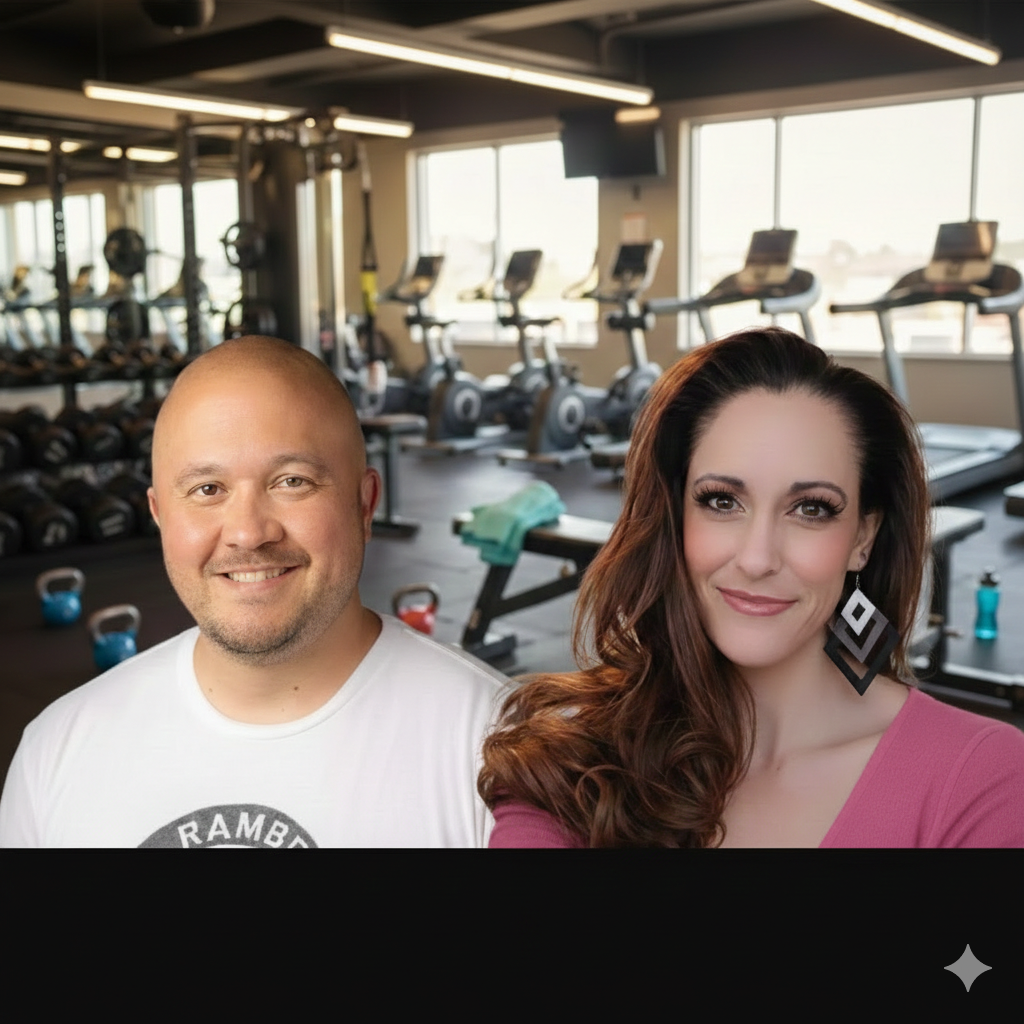
With nearly 50 years of combined experience in the fitness industry, Dr. Erin Nitschke and John sat down to tackle a fun but meaningful topic: Which popular fitness trends are overrated, underrated, or properly rated?
The goal wasn’t to tell anyone what to think. Instead, it was to offer perspective — the kind that only comes from years of coaching, learning, failing, succeeding, and evolving in the industry.
Because in fitness, context is everything.
For professionals looking to build that kind of long-term perspective, education matters. Whether you’re exploring a degree pathway or professional certification, Lionel University offers programs designed to develop real-world fitness leaders. You can explore all available options here:
👉 Programs Overview
Let’s dive in.
Zone 2 Cardio: Overrated or Underrated?
The Verdict: Both — depending on context.
Zone 2 cardio (typically 60–70% of max heart rate) has become a buzzword in recent years. It’s often described as the magic key to fat loss, endurance, and metabolic health.
But here’s the reality:
- For many people, Zone 2 is simply brisk walking.
- It’s not new — just rebranded.
- It’s not a magic bullet.
Why It Might Be Overrated
When we obsess over specific heart rate zones, we risk missing the bigger picture: movement consistency matters more than optimization.
If someone enjoys walking, feels good doing it, and can sustain it long-term — that’s a win.
Why It Might Be Underrated
Some people dismiss walking as “not real exercise.” In that sense, Zone 2 may actually be undervalued. It can:
- Improve cardiovascular health
- Support recovery
- Increase daily energy expenditure
- Encourage consistency
The key question is always: Good for what?
Power walking won’t make you a better sprinter. But it might improve your health span.
Cold Plunges: Recovery Tool or Hype Machine?
The Verdict: Overrated for most people.
Cold exposure has real benefits. But social media has turned it into a cure-all.
Before jumping into a tub of freezing water, ask yourself:
- Are you sleeping well?
- Are you eating well?
- Are you training intelligently?
- Are you managing stress?
If those foundational pieces aren’t in place, a cold plunge isn’t going to fix the problem.
For elite athletes with high training loads? It may serve a purpose.
For the average person? It’s probably not the missing piece.
And if you hate it? That matters too.
Professionals trained to think critically about these trends develop that lens through structured education — whether at the associate’s, bachelor’s, or graduate level. Lionel University offers pathways such as:
Education builds context. Context builds better coaching.
Tracking Macros: Smart Strategy or Obsessive Habit?
The Verdict: Properly rated — when used correctly.
Tracking macronutrients can be an incredibly powerful educational tool.
It can teach you:
- Portion awareness
- Calorie density
- Protein intake habits
- Energy balance
But when it shifts from information to rigid rule-following, it can become problematic.
Macros are data — not a moral scorecard.
If tracking becomes another stressor in your life, it may do more harm than good.
However, even tracking briefly can build valuable awareness. Once you’ve weighed six ounces of chicken enough times, you develop an eye for it.
The tool isn’t the problem. How we use it is.
Transformation Photos: Motivating or Misleading?
The Verdict: Often overrated.
Transformation stories are powerful marketing tools. They show possibility. They build credibility.
But they’re also snapshots.
They rarely show:
- The sustainability of the results
- The behaviors developed
- The emotional journey
- The setbacks
And attaching a timestamp (e.g., “30-day transformation”) can distort expectations.
A scale weight change is just one metric. It doesn’t capture improved sleep, confidence, blood markers, or mental health.
The industry must be careful not to imply that the “after” version of a person is more valuable than the “before.”
Because health is more than aesthetics.
Periodization for Beginners: Necessary or Overcomplicated?
The Verdict: Overrated for general population clients.
Periodization is critical in performance training. Athletes require structured cycles for peak performance.
But most general fitness clients aren’t training for the Olympics.
They’re trying to:
- Feel better
- Lose a few pounds
- Move pain-free
- Stay consistent
And consistency beats complex programming every time.
If someone is only walking 2,000 steps per day, the priority isn’t a 16-week strength-to-power phase. It’s getting them to 3,500 steps consistently.
Performance problems require performance solutions.
Health problems often require consistency solutions.
For coaches wanting a strong scientific foundation in programming principles, Lionel’s academic and certification pathways help bridge theory and application — 👉 including the Lionel Certified Personal Trainer credential.
Longevity Branding: Valuable Philosophy or Marketing Play?
The Verdict: Properly rated philosophically — potentially overrated commercially.
Longevity and health span are important conversations. Living longer — and living well longer — matters.
But when “longevity” becomes a brand slapped onto every product and service, it can get murky.
Not every supplement, device, or concierge program is truly a longevity intervention.
And access matters.
Preventative health services are often underfunded and inaccessible to many. If longevity becomes an exclusive, premium offering rather than foundational lifestyle education, we risk widening the gap.
Longevity isn’t a product.
It’s the cumulative effect of sleep, movement, nutrition, stress management, and preventative care.
Institutions committed to accessible, evidence-based education — like Lionel University — aim to equip professionals with sustainable health frameworks rather than trend-based solutions. Learn more about the university’s mission here.
Multiple Certifications: Impressive or Unnecessary?
The Verdict: Underrated — when applied well.
Collecting certifications just for letters after your name? That’s overrated.
But using certifications to:
- Deepen knowledge
- Broaden perspective
- Expand scope of practice
- Grow your professional network
That’s powerful.
Not every certification delivers an immediate 10x ROI. Sometimes the value is:
- Exposure to new ideas
- Hands-on experience
- Industry connections
- A shift in how you see coaching
Learning requires effort. Certifications don’t hand you competence — application does.
If you try, apply, and integrate what you learn, certifications can absolutely elevate your career.
For those considering advancing their education, Lionel University also provides guidance on tuition planning and support options.
The Bigger Takeaway: Context > Trends
The most important theme from this discussion?
It depends.
Online coaching isn’t inherently good or bad.
Zone 2 isn’t magic.
Cold plunges aren’t essential.
Macros aren’t mandatory.
Transformations aren’t complete stories.
Context matters.
Goals matter.
Access matters.
Individual differences matter.
Perspective matters.
Why Perspective Is a Professional Superpower
Fitness is nuanced. There are few absolutes.
The longer you’re in this industry, the more you realize that rigid thinking rarely serves clients well.
Hearing multiple viewpoints helps you build a well-rounded philosophy — even if you don’t agree with everything.
Growth doesn’t require agreement.
It requires openness.
And that’s what The Training Room is all about.
If you’re ready to deepen your knowledge, expand your professional opportunities, or start your journey in exercise science, explore Lionel University’s programs or connect with the team directly:
Programs Overview
Contact
Keep listening.
Keep learning.
Keep thinking critically.
Because in fitness — just like in training — the reps add up.


.png?width=48&height=48&name=ig%20profille%20pic%20seal%20(1).png)