



Introduction: The Puzzle of Aging
Aging is a natural part of life, but the way we age isn’t set in stone. We often think of aging as an inevitable decline in health, energy, and vitality. But what if there was more to it than just counting the years? What if you could take control of how you age and stay fit and healthy beyond your years?
The secret lies in understanding the difference between chronological aging and physiological aging. Chronological aging refers to the number of years you’ve lived, but physiological aging reflects how well your body is functioning. The good news is that while you can’t change your chronological age, you can significantly influence your physiological age.
In this blog, we’ll unlock the secrets of physiological aging and explore actionable strategies to help you stay fit and healthy, regardless of how many candles are on your birthday cake. If you’re also interested in deepening your understanding of human performance and long-term health, you can explore Lionel University’s Bachelor’s Degree in Exercise Science as a structured pathway to support your journey.
What Is Physiological Aging? A Different Way to Think About Growing Older
When people think about aging, they often focus on their chronological age—the number that increases each birthday. However, this isn’t the only measure of how old you are. Physiological aging considers the actual condition of your body and its systems, such as your heart, muscles, bones, and brain. Studying areas like exercise science through a program such as a Bachelor’s Degree in Exercise Science can help you better understand and apply these concepts in real life.
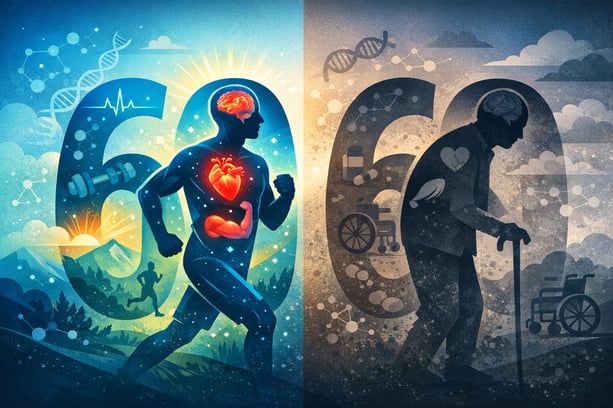
For example, two people might both be 60 years old chronologically, but one could have the cardiovascular health of a 40-year-old, while the other may have the physical fitness of someone in their 70s. This difference arises because physiological aging is influenced by factors like lifestyle, genetics, diet, and physical activity.
Why Physiological Aging Matters More Than Chronological Aging
Understanding physiological aging is essential for several reasons:
A. Physiological Aging Reflects Your True Health
Chronological age is just a number. Physiological age, however, reveals the true state of your health. It’s possible to feel younger or older than your chronological age based on how well your body is functioning.
B. Physiological Age Can Be Influenced by Lifestyle Choices
While you can’t change your birthdate, you can influence how well your body ages. Your choices—such as regular exercise, eating a nutrient-rich diet, managing stress, and getting quality sleep—can slow down physiological aging and help you maintain vitality. For those who want to turn this knowledge into a career or formal education pathway, Lionel University’s Bachelor’s Degree in Exercise Science provides a deeper dive into the science behind these lifestyle choices.
C. Physiological Age Impacts Your Risk of Chronic Diseases
Research has shown that physiological markers like muscle mass, cardiovascular health, and metabolic function are better predictors of chronic disease risk than chronological age alone. By focusing on physiological aging, you can reduce your risk of heart disease, diabetes, osteoporosis, and more.
The Science of Physiological Aging: How Your Body Changes Over Time
Physiological aging affects different systems in your body in unique ways. Let’s take a closer look at how aging impacts various aspects of health:
A. Musculoskeletal System: Muscle Mass and Bone Density
As you age, you naturally lose muscle mass and bone density. This process, known as sarcopenia and osteopenia, increases the risk of falls, fractures, and physical limitations. However, resistance training and weight-bearing exercises can help maintain muscle strength and bone health.
B. Cardiovascular System: Heart Health and Blood Vessels
Aging can lead to changes in the cardiovascular system, including stiffening of blood vessels and decreased heart efficiency. This can raise blood pressure and increase the risk of heart disease. But regular aerobic exercise can improve heart function, lower blood pressure, and enhance circulation.
C. Metabolism and Energy Levels
Metabolic rate naturally slows with age, which can lead to weight gain and decreased energy levels. Maintaining an active lifestyle and eating a balanced diet can help keep your metabolism running efficiently.
D. Brain and Cognitive Function
Physiological aging also affects the brain. Cognitive decline, memory loss, and slower reaction times are common with age. However, physical activity, mental stimulation, and stress management techniques can help maintain cognitive function and reduce the risk of dementia.
How to Slow Physiological Aging: Actionable Tips for Staying Fit and Healthy
The good news is that you have a significant amount of control over your physiological age. Here are some actionable strategies to help you slow down physiological aging and stay fit and healthy:
A. Prioritize Regular Exercise
One of the most powerful ways to slow physiological aging is through consistent physical activity. Aim for a combination of aerobic exercise, strength training, and flexibility exercises to keep your body strong, agile, and resilient.
- Aerobic Exercise: Activities like walking, running, cycling, or swimming improve cardiovascular health and increase endurance.
- Strength Training: Lifting weights, using resistance bands, or bodyweight exercises help maintain muscle mass and prevent age-related loss of strength.
- Flexibility and Balance: Incorporate yoga, Pilates, or stretching routines to improve flexibility and reduce the risk of falls.
B. Eat a Nutrient-Dense Diet
What you eat has a direct impact on your physiological age. Focus on a diet rich in whole foods, including:
- Lean Proteins: Support muscle repair and growth.
- Healthy Fats: Improve heart health and cognitive function.
- Fruits and Vegetables: Provide essential vitamins, minerals, and antioxidants that protect cells from damage.
- Whole Grains: Stabilize blood sugar levels and provide long-lasting energy.
C. Manage Stress Effectively
Chronic stress can accelerate physiological aging by increasing inflammation and disrupting hormonal balance. Practice stress-reducing techniques like meditation, deep breathing, yoga, or spending time in nature to promote relaxation and mental well-being.
D. Prioritize Sleep and Recovery
Sleep is when your body repairs itself and consolidates memories. Aim for at least 7–8 hours of quality sleep each night to support physical recovery and cognitive function. Establish a regular sleep routine and create a calming bedtime environment.
E. Stay Socially Connected
Strong social connections are linked to better health and longevity. Spend time with friends and family, engage in community activities, and build meaningful relationships to boost your mental and emotional well-being.
How to Measure Physiological Age and Track Your Progress
If you want to understand your physiological age, there are several ways to measure and track it:
A. Cardiovascular Assessments
Tests like VO2 max (maximum oxygen uptake) can provide insights into your cardiovascular fitness level. Higher VO2 max levels are associated with better heart health and a younger physiological age.
B. Body Composition Analysis
Body composition measurements, such as muscle mass, body fat percentage, and bone density, offer valuable information about your physical health. Maintaining healthy body composition can help slow down physiological aging.
C. Metabolic and Blood Markers
Regular health check-ups that measure blood pressure, cholesterol, blood glucose levels, and inflammatory markers can help you track your metabolic health and make necessary adjustments.
D. Cognitive Assessments
Simple cognitive tests can measure memory, reaction times, and problem-solving abilities. Regular mental challenges and physical activity can help maintain cognitive function.
The Benefits of Embracing Physiological Age in Your Fitness Routine
By focusing on physiological age instead of chronological age, you can redefine what it means to age well. Here are some key benefits of embracing physiological age in your fitness routine:
A. Personalized Goals and Training Programs
Instead of letting age-based limitations dictate what you think you can do, set goals based on your physiological condition. This allows you to create a training program that aligns with your body’s capabilities and needs.
B. Enhanced Motivation and Empowerment
Recognizing that you can influence your physiological age empowers you to take control of your health and fitness journey. It’s not about defying aging; it’s about embracing a proactive approach to staying fit and healthy.
C. Improved Health and Longevity
Maintaining a younger physiological age is linked to a lower risk of chronic diseases, better physical function, and improved quality of life. By focusing on your physiological health, you can enjoy a longer, healthier, and more fulfilling life.
Rethinking Aging: It’s More Than Just the Number on a Calendar
Aging isn’t something you have to fear or fight against. Instead of focusing on the passage of time, shift your mindset to focus on how well your body is functioning. Here are some ways to rethink aging:
A. Embrace Growth and Improvement
View aging as an opportunity for growth and self-improvement. Focus on becoming the healthiest, strongest, and most resilient version of yourself.
B. Let Go of Age-Based Limitations
Don’t let your chronological age define what you can or can’t do. Believe in your ability to stay fit, active, and healthy regardless of your age in years.
C. Set New Goals for Long-Term Health and Fitness
Instead of focusing solely on short-term achievements, set long-term goals that prioritize health, well-being, and longevity. Aim for sustainable lifestyle changes that support lifelong fitness. For some, that may even include pursuing a structured educational path like a Bachelor’s Degree in Exercise Science to gain the knowledge and skills to support healthy aging—for themselves and for others.
Share this article


